
Breaking into the holistic health conference circuit takes more than expertise in your field. To pitch yourself as a speaker or workshop leader, use a targeted approach that combines a strong proposal, a clear demonstration of your unique value, and strategic networking with event organizers.
Many wellness practitioners believe their credentials will open doors. However, conference organizers receive hundreds of pitches and need specific reasons to choose you over other candidates.
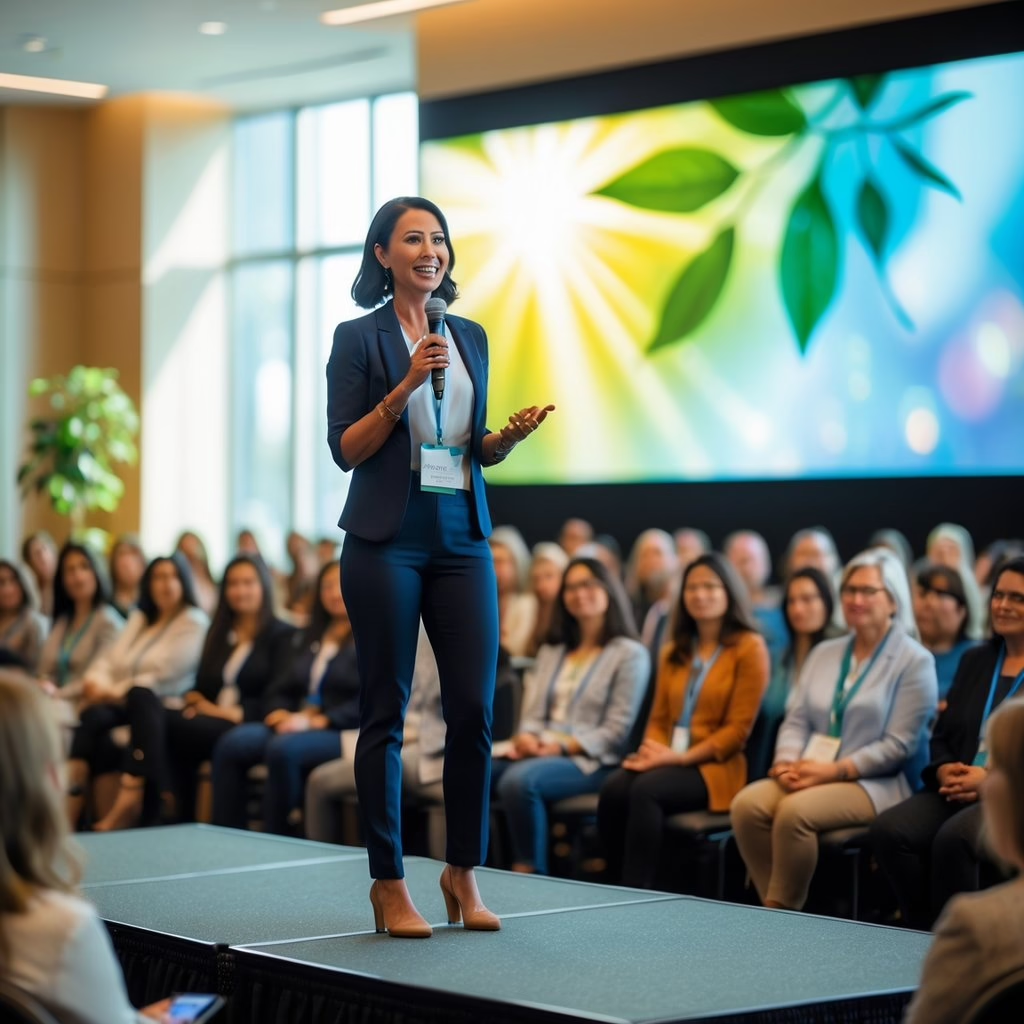
To pitch yourself successfully, understand what makes holistic health events unique and how your expertise fills a gap in their programming. Holistic health gatherings attract audiences seeking integrative approaches, practical tools, and transformational experiences.
Your pitch should address these needs and show your ability to deliver actionable content that attendees can use right away.
Key Takeaways
- Research conferences that match your holistic health expertise and target audience before submitting proposals.
- Write a compelling bio and session proposal that shows the unique value and practical outcomes you offer.
- Build relationships with conference organizers through networking and follow-up to increase your chances of getting speaking opportunities.
Identifying The Right Speaking Opportunities

Start by targeting conferences that align with your expertise and where your message resonates with attendees seeking holistic health solutions.
Researching Relevant Conferences
Create a spreadsheet to track holistic health conferences in your region and specialty area. Search for events using terms like “integrative medicine conference,” “wellness summit,” “holistic health expo,” and “mind-body wellness event” with your specific niche, such as Ayurveda, functional nutrition, or energy healing.
Review past conference websites to understand their format, speaker backgrounds, and session types. Note whether they feature keynote speakers, breakout sessions, panels, or workshops.
Different types of speaking engagements need different preparation and pitching approaches.
Look for conferences that accept open call for proposals rather than invitation-only events. Many holistic health conferences announce speaker applications 6-12 months in advance, so set reminders to submit before deadlines.
Join professional associations in your field, like the American Holistic Health Association or specialty organizations, which often host or promote relevant conferences.
Evaluating Conference Themes And Audiences
Read the conference mission statement and past session descriptions to see if your expertise fits their focus. A conference focused on clinical research may not suit a spiritual healing workshop, while a wellness expo might welcome practical self-care techniques.
Identify attendee demographics by reviewing promotional materials. Some conferences target healthcare practitioners, others serve wellness entrepreneurs, and many attract health-conscious consumers.
Your pitch should show how your content meets their audience’s needs.
Check the conference’s social media and past attendee testimonials to gauge participant interests and experience levels. This information helps you craft a pitch that addresses what attendees want to learn.
Consider the conference size and reputation. Smaller regional events may offer better chances for new speakers, while established conferences provide more exposure but have greater competition.
Networking With Industry Professionals
Connect with past speakers from your target conferences through LinkedIn or professional forums. Ask about their experience, the application process, and what made their pitch successful.
Attend conferences as a participant before pitching yourself as a speaker. This helps you understand the event culture, meet organizers, and see which presentations engage the audience.
Build relationships with event organizers by engaging with their content on social media, commenting thoughtfully, and sharing their announcements.
Join online communities where holistic health practitioners and conference organizers gather. Facebook groups, professional forums, and industry platforms often share announcements about speaking opportunities.
Crafting A Compelling Bio And Session Proposal

Your biography and session proposal are your first impression to conference organizers. Show your expertise and how your session will benefit attendees.
Writing An Engaging Biography
Write your speaker bio in third person and keep it between 75-150 words. Start with your name and primary credential or role in holistic health.
Focus on accomplishments that relate to your proposed topic. If you’re pitching a session on ayurvedic nutrition, mention your certifications, years of practice, and notable client outcomes in that area.
Include two or three specific achievements that build credibility, such as books authored, research conducted, or programs developed.
Highlight what makes you uniquely qualified to teach your topic.
Use concrete details, like “trained 500+ yoga instructors in trauma-informed practices” or “developed a breathwork protocol used in 40 clinical settings,” instead of generic phrases.
Highlighting Your Unique Expertise
Conference organizers want speakers who bring fresh perspectives or specialized knowledge. Your expertise might come from combining modalities, working with specific populations, or developing innovative techniques.
Identify what sets you apart. Maybe you integrate traditional Chinese medicine with functional nutrition or specialize in mind-body approaches for autoimmune conditions.
List your distinctive qualifications:
- Specialized training beyond certifications
- Research or case studies you’ve conducted
- Unique populations you serve (athletes, cancer survivors, executives)
- Proprietary methods or frameworks you’ve created
- Media features or industry recognition
Connect your expertise to the conference theme and audience. Show why attendees can’t get this information from other speakers.
Structuring A Captivating Session Proposal
Write a session proposal that clearly outlines what attendees will learn and how they’ll use it. Start with a title that uses active language and specific outcomes.
Include these elements:
| Component | Purpose | Length |
|---|---|---|
| Session title | Grab attention and convey value | 5-10 words |
| Description | Explain the problem and solution | 100-150 words |
| Learning objectives | List 3-5 specific takeaways | 1 sentence each |
| Session format | Describe your delivery method | 50-75 words |
Write learning objectives with action verbs. For example, “apply three vagal toning techniques to reduce client anxiety within minutes.”
Explain your teaching methods. Will you use case studies, live demonstrations, guided practices, or interactive exercises? Organizers want to know your session will engage attendees.
Demonstrating Expertise And Audience Value
Conference organizers look for concrete proof that you can deliver value. Include evidence of your speaking abilities, credibility markers, and clear takeaways that match the holistic health community’s needs.
Showcasing Past Speaking Engagements
List your relevant speaking history with details about venue size, audience type, and topic focus. Include the conference name, date, location, and approximate attendance numbers.
If you’re new to speaking, highlight workshops you’ve led at wellness centers, yoga studios, or community health events.
Organize this information in a simple table:
| Event Name | Date | Audience Size | Topic |
|---|---|---|---|
| Wellness Summit 2024 | March 2024 | 200 attendees | Plant-Based Nutrition |
| Healing Arts Conference | June 2024 | 150 attendees | Mindfulness Practices |
Include links to video recordings or audio clips from previous talks. Even a short highlight reel demonstrates your presentation style.
Photos of you speaking to engaged audiences add visual credibility.
Providing Testimonials And Endorsements
Collect feedback from previous event organizers, attendees, or industry professionals. Request testimonials that mention measurable outcomes, such as attendee engagement or actionable insights.
Include two or three testimonials in your pitch that speak directly to your holistic health credentials. Use endorsements from recognized names in the wellness industry, certified practitioners, or respected organizers.
List your professional certifications or credentials in nutrition, herbalism, yoga, or other holistic modalities.
Ask testimonial providers to mention specific aspects of your presentation, like your ability to simplify complex health concepts or your interactive teaching style.
Outlining Clear Benefits For Attendees
List three to five specific takeaways attendees will gain from your session. Use action-oriented language and describe skills, knowledge, or practices participants can use right away.
Structure your benefits as bullet points:
- Practical techniques attendees can use the same day
- Evidence-based information backed by research or clinical experience
- Actionable frameworks for implementing holistic practices
- Resource lists or handouts for continued learning
Show how your background solves specific problems for the audience. Connect your benefits to current trends or challenges in holistic health, such as stress management for healthcare workers or anti-inflammatory protocols for chronic conditions.
Explain what makes your approach different and why your methods work well for conference audiences seeking practical wellness solutions.
Following Up With Conference Organizers

A timely follow-up sets you apart and shows your genuine interest in speaking at the event. Organizers appreciate professional communication.
Crafting A Professional Follow-Up Email
Keep your follow-up email concise and reference your original submission. Include the session title and date you submitted your application in the first line.
Express continued interest in the conference and mention any relevant updates since your initial pitch. For example, share if you’ve published new research, gained a certification, or spoken at another holistic health event.
Ask a specific question that requires a response, such as “Could you share the expected timeline for speaker notifications?” End with a clear call to action and offer to provide more information if needed.
Timing Your Follow-Up For Maximum Impact
Wait two weeks after submitting your proposal before sending your first follow-up. Conference organizers often receive many applications and need time to review them.
If you don’t receive a response, wait another two to three weeks before reaching out again. National holistic health conferences usually select speakers six to twelve months in advance, so review periods can be long.
Send your follow-up emails on Tuesday through Thursday mornings when organizers are more likely to check their inboxes. Avoid Mondays and Fridays.
Building Relationships With Organizers
View each interaction with conference organizers as a chance to build a long-term professional relationship. If your proposal isn’t accepted, ask for feedback on how to improve your pitch for future submissions.
This shows maturity and commitment to growth. Connect with organizers on LinkedIn after your initial contact and engage with their content throughout the year.
Share their conference announcements and comment thoughtfully on their posts about holistic health topics. Congratulate them on successful events.
These small gestures keep you visible without being intrusive. Attend conferences where you want to speak, even if you’re not selected as a presenter at first.
Introduce yourself to organizers in person and attend their sessions. Participate actively in the event.
Face-to-face interactions help organizers remember your enthusiasm and expertise. This often leads to speaking invitations for future conferences.
Start your outreach early. Many conferences select speakers up to a year in advance, so plan accordingly.
Local events may operate on shorter timelines. This gives you more flexibility if you’re just starting out.
Your pitch should accomplish several goals:
- Demonstrate your specific expertise in holistic health modalities
- Show your track record as a speaker or educator
- Explain the unique value you bring to their audience
- Include tangible outcomes attendees will gain
Consider your speaker pitch email as a first impression and a chance to recap your credibility and relevant experience. Keep it concise and focus on what matters to the organizer.
Attend conferences in your field, connect with organizers on professional platforms, and engage with the holistic health community regularly. Building relationships matters as much as your pitch quality.
Track your applications and follow up appropriately. Each attempt helps you refine your approach.
You’ll learn which topics resonate with organizers and how to craft compelling pitches that stand out in crowded inboxes.
Frequently Asked Questions
Holistic health conference organizers evaluate proposals based on speaker credibility, audience relevance, and presentation clarity. Understanding submission requirements and follow-up protocols increases your chances of securing speaking opportunities.
What are the essential components of an effective speaker proposal for holistic health conferences?
Your speaker proposal needs a compelling title that clearly communicates the value your session will provide to holistic health practitioners or enthusiasts. The description should outline specific takeaways, techniques, or insights attendees will gain from your presentation.
Include your speaker biography that highlights relevant certifications, training, and experience in holistic health modalities. Your bio should demonstrate expertise in your specific area, whether that’s ayurveda, herbalism, energy healing, or integrative wellness practices.
Provide a detailed session outline that shows how you’ll structure your talk or workshop. Break down your presentation into segments with time allocations to show organizers you’ve planned an organized, engaging experience.
Add supporting materials like previous speaking videos, testimonials from past event organizers, or published articles in holistic health publications. These elements build credibility and help organizers visualize you on their stage.
How can I highlight my expertise and experience in holistic health when pitching to be a speaker or workshop leader?
Lead with your most impressive credentials and accomplishments in the holistic health field. Mention specific certifications, years of practice, number of clients served, or research you’ve conducted in your area of expertise.
Quantify your impact whenever possible by sharing measurable results from your practice or previous presentations. For example, note how many students you’ve trained, workshops you’ve led, or the percentage of clients who achieved specific health improvements through your methods.
Show your expertise and credibility by demonstrating both knowledge and teaching ability. Include examples of how you’ve translated complex holistic health concepts into accessible information for diverse audiences.
Reference published work, podcast appearances, or contributions to holistic health journals that establish you as a thought leader. These third-party validations strengthen your position as someone worth featuring at a conference.
What strategies are most successful for engaging conference organizers and securing speaking opportunities?
Research each conference thoroughly before reaching out to understand their audience demographics, typical session formats, and thematic focus areas. Understanding the event, audience, and goals helps you tailor your pitch effectively.
Personalize each pitch to align your expertise with the conference’s stated mission and attendee needs. Reference specific sessions from previous years and explain how your proposed topic fills a gap or complements their existing programming.
Network with past speakers and attendees to gain insights into what the organizers value most. These connections can provide introductions or recommendations that make your application stand out.
Submit your proposal well before the deadline to show professionalism and give organizers ample time to review your materials. Early submissions often receive more attention than last-minute entries.
Can you provide tips for tailoring a speaking pitch to different types of holistic health conferences?
Identify whether the conference targets practitioners, consumers, or a mix of both audiences. Practitioner-focused events require deeper technical content and clinical applications, while consumer events need more accessible explanations and practical self-care techniques.
Adjust your language and examples based on the conference’s philosophical orientation. Some holistic health events focus on evidence-based integrative medicine, while others embrace traditional wisdom and spiritual dimensions of healing.
Consider the format preferences of different conference types when proposing your session. Large wellness expos may prefer shorter, high-energy presentations, while professional training conferences often seek longer, in-depth workshops with hands-on components.
Review the conference’s past speaker lineup to understand the level of expertise and presentation style they typically feature. Match your pitch to their established standards while offering a fresh perspective on holistic health topics.
What common pitfalls should I avoid when submitting a speaker application to holistic health conferences?
Don’t submit generic proposals that could apply to any wellness event. Conference organizers quickly recognize copy-and-paste applications that show no specific knowledge of their event or audience.
Avoid overpromising results or making unsubstantiated health claims that could create legal concerns for organizers. Keep your language accurate and aligned with ethical standards in holistic health communication.
Don’t neglect the technical requirements listed in the call for speakers. Missing submission deadlines, exceeding word counts, or failing to provide required materials like speaker photos results in immediate disqualification.
Resist the urge to pitch multiple unrelated topics in one submission. Focus on your strongest area of expertise rather than presenting yourself as an expert in everything holistic health-related.
How should I follow up with conference organizers after submitting my proposal to speak at a holistic health event?
Wait at least two weeks after the submission deadline before you send a follow-up email. Organizers need time to review all applications before they respond to individual inquiries.
Keep your follow-up message brief and professional. Confirm they received your proposal and express your continued interest in participating.
Avoid appearing pushy or demanding an immediate response. If you don’t receive a reply after your first follow-up, send one additional polite inquiry after another two to three weeks.
If you still get no response, accept that they may have chosen other speakers or stopped further communication. When you receive a rejection, respond graciously and ask if you can submit for future events.