
Holistic health events offer valuable opportunities to expand your professional network and discover innovative practices. You can also grow your wellness business through these events.
Many practitioners attend conferences and workshops without a clear strategy. Without a plan, they miss chances to turn these investments into measurable returns.
You need a structured approach that covers preparation, active engagement during the event, and strategic follow-up afterward.

Intentional planning often separates practitioners who see substantial growth from those who do not. Event selection, purposeful networking, and post-event follow-up require deliberate effort before, during, and after the event.
When you leverage each phase, you can turn attendance into tangible outcomes like new clients, referral partnerships, and enhanced professional credibility.
Key Takeaways
- Strategic preparation before events includes setting clear goals and researching attendees to maximize networking opportunities.
- Active engagement during events and timely follow-up communication convert initial connections into lasting professional relationships.
- Measuring outcomes against your defined goals helps determine the true value of your event investment and informs future decisions.
Preparing For Holistic Health Events

Success at holistic health events starts before you arrive at the venue. Strategic preparation means defining your objectives, choosing events that align with your practice, promoting your attendance in advance, and organizing professional materials.
Setting Clear Pre-Event Goals
Establish specific, measurable objectives before committing to any holistic health event. Your goals might include connecting with 15 qualified referral partners, securing three new corporate wellness clients, or learning two new treatment modalities.
Write down your primary and secondary goals for each event. Focus primary goals on outcomes that impact your revenue, while secondary goals can include broader professional development aims.
Research the event agenda to identify sessions and workshops that support your objectives. Match specific presentations, exhibitor areas, and networking sessions to your goals to plan your time efficiently.
Consider both immediate and long-term goals. Immediate goals might involve collecting business cards or scheduling follow-up meetings, while long-term goals could focus on building your reputation as a thought leader.
Researching And Selecting The Right Events
Not all holistic health events will benefit your practice. Evaluate each opportunity based on attendee demographics, event format, cost, and alignment with your services.
Review past attendee lists and exhibitor rosters to see if your ideal clients or referral partners typically attend. Holistic health trade shows vary in focus areas, from general wellness to specific modalities like acupuncture or herbal medicine.
Compare the investment required against potential returns. Consider registration fees, travel costs, accommodation, materials preparation, and time away from your practice.
Smaller regional events may offer better networking opportunities than large national conferences. These events often make it easier to establish meaningful connections.
Look for events that attract decision-makers. Corporate wellness expos and professional conferences usually provide higher-quality leads than consumer-focused health fairs.
Pre-Event Marketing And Outreach
Announce your attendance before the event to multiply your networking potential. Let your existing network know you’ll be present and reach out to specific attendees you want to meet.
Post about your upcoming attendance on social media platforms where your target audience is active. Include the event hashtag, your booth number if applicable, and specific times when you’ll be available for conversations.
Offer something valuable, such as a free consultation or exclusive resource, to people who connect with you at the event.
Contact speakers, exhibitors, and attendees you want to meet. Send brief, personalized messages explaining why you’d like to connect and suggest a specific meeting time.
Create a dedicated landing page on your website for event attendees. Explain what visitors can expect when they meet you and provide a simple way to schedule follow-up appointments.
Preparing Your Materials And Presentation
Your physical and digital materials represent your brand and expertise. Bring professional business cards, brochures, and any handouts that support your goals for the event.
Develop an engaging elevator pitch that clearly explains who you serve and the specific problems you solve. Practice delivering this pitch in 30 seconds or less, focusing on outcomes.
If you plan to present or speak, prepare content that demonstrates your expertise and provides immediate value to attendees. Include actionable takeaways that people can implement right away.
Bring technology that supports your objectives. Load your tablet with intake forms, a portfolio of client success stories, and scheduling software to capture leads efficiently.
Pack chargers, backup batteries, and equipment needed for demonstrations.
Essential Materials Checklist:
- Professional business cards (bring 50% more than you think you’ll need)
- Updated brochures or one-page service sheets
- Tablet or laptop with client intake forms
- Portable payment processing system
- Branded giveaways that reflect your practice values
- Professional attire appropriate for the event setting
Engaging Effectively During The Event

Your success at holistic health events depends on how well you connect with attendees and showcase your knowledge. Active engagement turns booth visitors into qualified leads and business opportunities.
Building An Attractive Booth Or Presentation Space
Your booth shows your brand at the event. Use clear signage that communicates your services within three seconds of someone walking past.
Use vertical space to maximize visibility in crowded exhibition halls. Banner stands, hanging signs, and elevated displays help attendees spot your booth from a distance.
Create an inviting atmosphere with proper lighting, open pathways, and comfortable seating areas. Avoid cluttering tables with too many materials.
Essential booth elements include:
- Clear value proposition: A headline that explains what you offer
- Visual demonstrations: Product samples, tablets with videos, or interactive displays
- Comfortable interaction zones: Standing-height tables for quick conversations
- Professional materials: Brochures, business cards, and branded giveaways
Keep staff members standing and facing outward toward foot traffic. Position your team at the booth edges to greet passersby naturally.
Effective Networking Strategies
Approach networking with specific goals instead of trying to meet everyone. Identify 10-15 priority contacts before arriving based on the attendee list.
Listen more than you talk during conversations. Ask open-ended questions about attendees’ current challenges with holistic health services or wellness programs.
Use the two-minute rule for initial conversations. After brief introductions, either schedule a longer meeting or politely excuse yourself to connect with others.
Attend interactive sessions and workshops where you can contribute valuable insights. Speaking up in group settings positions you as knowledgeable without requiring a formal presentation slot.
Exchange contact information with context. When you hand someone your card, mention a specific follow-up action like “I’ll send you that research study we discussed.”
Demonstrating Your Expertise
Share knowledge through live demonstrations. Show attendees how your holistic health approach works with brief hands-on experiences or visual presentations.
Offer free mini-consultations or assessments at your booth. A five-minute posture analysis, stress evaluation, or nutritional assessment provides immediate value and showcases your skills.
Prepare case studies that illustrate specific client results with measurable outcomes. Use simple one-page handouts with before-and-after data.
Answer questions with specific examples from your practice. For example, say “I worked with a teacher who reduced her cortisol levels by 40% using breathing techniques and adaptogenic herbs.”
Present at event sessions when opportunities arise. Even panel discussions or roundtable formats let you demonstrate your knowledge to multiple prospects at once.
Capturing Leads And Contact Information
Use a systematic approach to collect attendee information. Use digital tools like badge scanners, QR codes linking to sign-up forms, or tablet-based lead capture apps.
Qualify leads immediately by asking a few brief questions about their needs and timeline. Note whether they’re looking for services now, within three months, or just gathering information.
Create a simple lead qualification system:
| Priority Level | Characteristics | Follow-up Timing |
|---|---|---|
| Hot | Ready to book, specific need identified | Within 24 hours |
| Warm | Interested but researching options | Within 3-5 days |
| Cool | General interest, no immediate need | Within 2 weeks |
Offer a compelling reason for people to share their contact details. Contest entries, free resource downloads, or exclusive post-event webinar access work better than generic newsletter signups.
Document conversations immediately after they end. Write notes on the back of business cards or input details into your phone while the discussion is fresh.
Post-Event Follow-Up Strategies
You need a systematic follow-up to turn event connections into lasting professional relationships. Timely and personalized outreach directly impacts conversion rates and client retention.
Organizing And Segmenting Your Leads
Sort your collected contacts within 24-48 hours while conversations remain fresh. Create categories based on interest level, service needs, and purchasing readiness.
Primary segmentation criteria:
- Hot leads: Expressed immediate interest or requested specific services
- Warm leads: Showed genuine engagement but need more information
- Cold leads: Made casual contact without clear intent
- Referral sources: Other practitioners or potential collaboration partners
Document details from each conversation in your CRM or spreadsheet. Include their specific health concerns, preferred communication methods, budget indicators, and any commitments made during your interaction.
Tag contacts by the services they discussed, such as nutrition coaching, massage therapy, acupuncture, or wellness workshops. This allows you to send relevant content that addresses their needs.
Crafting Personalized Follow-Up Messages
Reference specific topics from your conversation in your initial message sent within 48 hours of the event. Avoid generic templates to maintain the personal connection you built.
Acknowledge what they shared with you in your first message. Mention their goal to reduce stress, their interest in plant-based nutrition, or their question about your certification.
Include one relevant resource such as a blog post, research article, or video that addresses their concern. Keep the initial email between 100-150 words.
State who you are, where you met, and provide one clear call to action. Do not overwhelm recipients with your complete service menu or lengthy backstory.
Send different message types to different segments. Hot leads receive appointment scheduling options while warm leads get educational content with a softer invitation to connect.
Scheduling Consultations And Appointments
Offer multiple booking options to reduce friction in the scheduling process. Include your online calendar link, phone number, and email.
Provide 3-5 specific time slots in your follow-up message instead of asking “when works for you?” This approach reduces back-and-forth communication and increases booking completion rates.
Include time zones clearly to avoid confusion for contacts from different regions. Offer a limited-time incentive for appointments booked within 7-10 days, such as a discounted initial consultation or complimentary add-on service.
Send automated confirmation messages immediately after booking with session details, location or video link, preparation instructions, and your cancellation policy. Follow up 24 hours before the appointment with a reminder and ask if they have questions.
Nurturing Relationships For Long-Term Engagement
Create a communication calendar that extends 90 days beyond initial contact. Building lasting relationships requires consistent value delivery without constant sales pressure.
Send monthly educational content aligned with each segment’s interests. Share seasonal wellness tips, new research in your field, client success stories, or upcoming workshop announcements.
Space promotional messages between three pieces of educational content.
Long-term engagement touchpoints:
- Week 1: Initial personalized follow-up
- Week 2: Educational resource or article
- Week 4: Check-in message or survey
- Week 8: Event announcement or seasonal offer
- Week 12: Value-added content or case study
Track engagement metrics such as email open rates, link clicks, and response rates. Change your approach for contacts showing declining interest by adjusting message format, frequency, or content type.
Remove unresponsive contacts after 3-4 months to maintain list quality.
Request testimonials and referrals from satisfied clients who booked services through event connections. Their success stories become powerful content for future event follow-ups and marketing.
Measuring And Analyzing ROI
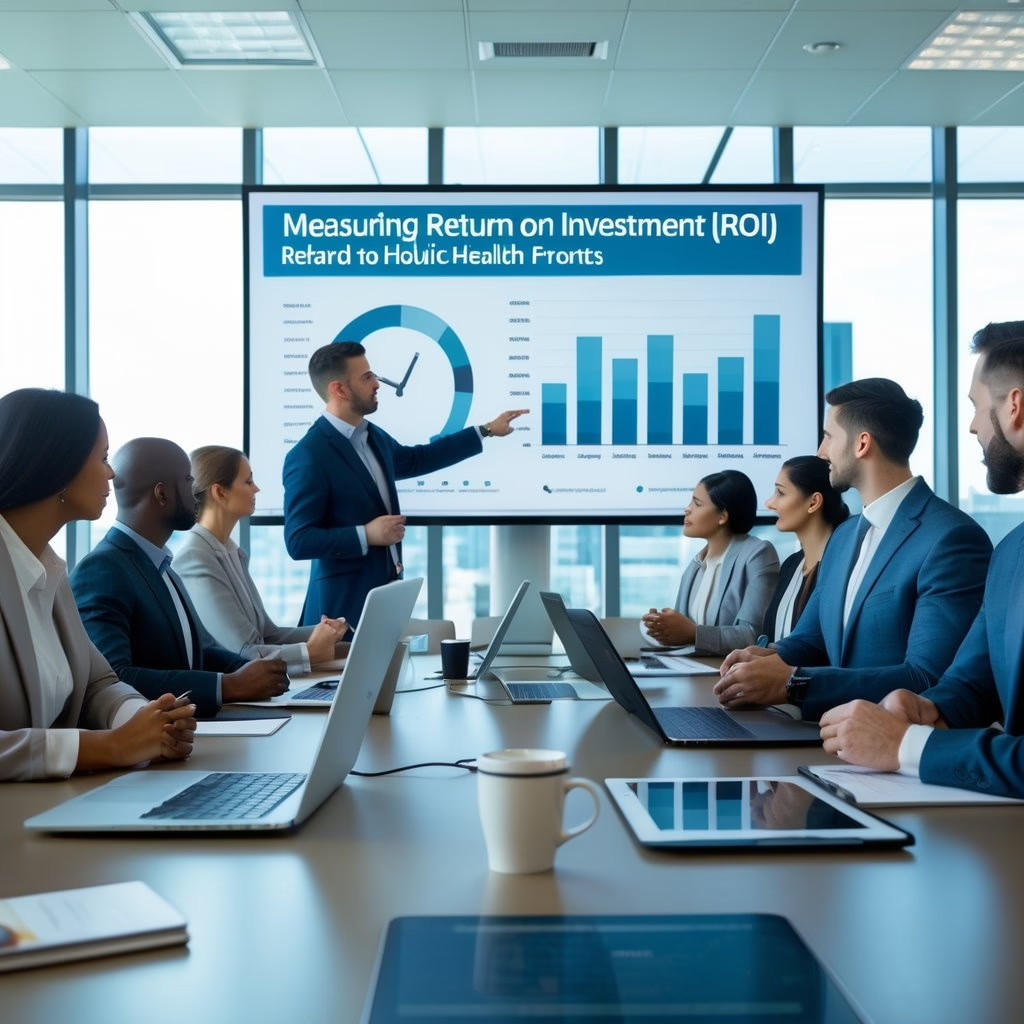
Track specific metrics from your holistic health events to gather concrete data on your investment returns. Systematic analysis reveals which strategies work best and which need improvement.
Tracking Key Metrics And KPIs
Establish clear metrics before your event begins to measure success accurately. Define specific objectives such as lead generation targets, partnership opportunities, or brand awareness goals that match your business needs.
Track both quantitative and qualitative data. Quantitative metrics include attendee numbers, new client sign-ups, booth traffic, social media engagement rates, and direct sales conversions.
Collect qualitative feedback like attendee testimonials, partnership quality, and shifts in brand perception.
Create a tracking spreadsheet that captures:
- Contact Information: Names, emails, phone numbers of prospects
- Engagement Level: Duration of conversations, interest intensity
- Follow-up Status: Scheduled appointments, pending decisions
- Revenue Attribution: Direct sales, future pipeline value
Assign monetary values to non-revenue outcomes. Calculate the potential lifetime value of each new lead based on your typical conversion rates and average client spending.
This approach helps you understand the true financial impact beyond immediate sales.
Analyzing What Worked And What Didn’t
Compare your actual results against pre-event objectives to identify areas of success and improvement. Calculate your ROI by dividing net profit by total event costs, then multiplying by 100 to get a percentage.
Review which promotional channels generated the most qualified leads. Your social media campaign might have driven booth traffic, while email outreach produced higher-quality prospects.
Examine your booth positioning, presentation materials, and staff performance. Note which product demonstrations or service explanations resonated most with attendees.
Identify any gaps in your messaging or materials that created confusion.
Gather feedback from your team members who worked the event. They can tell you which questions came up repeatedly, what objections prospects raised, and which promotional items attracted attention.
Adjusting Strategies For Future Events
Use your analysis to refine your event selection criteria. If wellness expos generated more qualified leads than general health fairs, prioritize similar events.
Drop event types that consistently underperform.
Modify your booth design and materials based on engagement patterns. Replace underutilized handouts with resources that prospects requested.
Adjust your presentation approach to address the most common questions upfront.
Reallocate your budget toward proven tactics. If premium booth locations consistently outperformed standard spaces, factor higher positioning costs into future budgets.
Reduce spending on elements that didn’t influence attendee decisions.
Document these insights in a reference guide for your next event. Include specific numbers, successful talking points, and timeline adjustments that improved results.
Frequently Asked Questions
Understanding how to maximize your investment in holistic health events requires addressing common concerns about preparation, engagement, and follow-through. These questions offer practical approaches to help you extract meaningful value from every conference you attend.
What are the best strategies for networking effectively at holistic health events?
Start conversations by asking open-ended questions about attendees’ practices, specialties, or recent developments in their work. This approach helps you find shared interests and collaboration opportunities.
Prepare a concise introduction that explains your role and what you’re seeking from the event in 30 seconds or less. Use this for quick exchanges between sessions or at crowded networking receptions.
Focus on quality interactions rather than collecting as many business cards as possible. Spending 10 minutes in a meaningful conversation with three people creates more valuable connections than brief exchanges with twenty attendees.
Take notes immediately after conversations, either on business cards or in your phone. Record specific details about what you discussed and any follow-up actions you promised.
Join smaller breakout sessions or workshops where interaction is built into the format. These settings make it easier to connect with speakers and other participants compared to large keynote presentations.
How can I effectively prepare for a holistic health conference to ensure the highest return on investment?
Define specific, measurable goals before you register for any event. You might aim to find two potential referral partners, learn three new treatment modalities, or connect with vendors for specific equipment needs.
Review the speaker list and exhibitor directory at least two weeks in advance. Identify the people you want to meet and research their work so you can ask informed questions.
Schedule your days strategically by prioritizing sessions that align with your goals. Block time for networking breaks instead of filling every moment with presentations.
Prepare questions for speakers and exhibitors ahead of time. Writing them down ensures you won’t forget to ask when the opportunity arises.
Bring enough business cards, a portable phone charger, and comfortable shoes. Staying prepared prevents distractions that reduce your ability to focus on learning and networking.
Set up appointments with key contacts before the event begins. Many speakers and exhibitors have limited availability during conferences, so early outreach increases your chances of meaningful one-on-one time.
What steps should be taken after a holistic health event to maintain connections and capitalize on opportunities?
Send personalized follow-up messages within 48 hours while the event remains fresh in recipients’ minds. Reference specific conversation points to show genuine interest.
Organize your contacts into categories based on relationship potential: referral partners, mentors, vendors, or collaborators. This segmentation lets you tailor your follow-up approach for each group.
Schedule concrete next steps during your initial follow-up. Instead of saying “let’s stay in touch,” propose a specific call date or suggest meeting for coffee within the next month.
Share relevant resources or articles with new connections that relate to topics you discussed. This positions you as a valuable contact and keeps the relationship active.
Connect on professional social media platforms like LinkedIn to maintain visibility. Engage with their content periodically to stay on their radar.
Review your event notes within one week and implement at least one new idea or practice you learned. Taking action validates your investment and provides conversation material for future interactions.
What are the key elements to look for when choosing which holistic health events to attend?
Evaluate whether the speaker lineup includes recognized experts in areas where you need to develop skills or knowledge. The quality of presenters directly impacts the educational value you’ll receive.
Check the attendee profile to ensure the event attracts practitioners at your level or slightly above. Events with your target referral sources or collaboration partners offer better networking ROI.
Consider the event format and whether it matches your learning style. Some practitioners benefit more from hands-on workshops, while others prefer lecture-style presentations or roundtable discussions.
Review the schedule density to confirm adequate networking time exists between sessions. Events packed with back-to-back presentations leave little opportunity for connections.
Calculate the total cost including registration, travel, accommodation, and lost revenue from closing your practice. This realistic assessment helps you decide if the potential return justifies the investment.
Look for events offering continuing education credits if you need them for licensing requirements. This dual benefit increases your return by fulfilling mandatory professional development while advancing your skills.
How can one measure the success and ROI of attending a holistic health event?
Track tangible outcomes like new client referrals, partnership agreements, or product purchases that resulted directly from event connections. Assign monetary values to these outcomes to calculate financial return.
Maximizing event ROI requires defining clear goals during the planning phase and measuring against them throughout execution and follow-up. Your metrics should match your pre-event objectives.
Count the number of meaningful connections you made and monitor which ones develop into ongoing professional relationships. Quality relationships often generate value over months or years.
Assess knowledge gained by identifying specific techniques, concepts, or strategies you’ve implemented in your practice. Document any improvements in client outcomes or practice efficiency resulting from this new knowledge.
Monitor email engagement rates from your follow-up messages to gauge the strength of connections. Higher response rates indicate more valuable relationships.
Review your calendar three and six months after the event to see which connections have turned into meetings, collaborations, or referrals. This timeline captures the real ROI that shows up in the months that follow.
What are the most effective ways to engage with speakers and exhibitors at a holistic health event?
Arrive early to speaker sessions and sit near the front. This position lets you approach the speaker right after their talk.
Ask specific questions that show you have researched the speaker’s work. Targeted questions make you memorable and show respect for their expertise.
Visit exhibitor booths during off-peak times, such as mid-morning or mid-afternoon. Staff can give you more attention when crowds are smaller.
Show genuine interest in exhibitors’ products or services, even if you do not plan to buy right away. Building relationships with vendor representatives can lead to better pricing or exclusive access to new offerings.
Request specific materials or follow-up information instead of just collecting brochures.