
Local search rankings depend on more than just your website and online directory listings. Businesses that actively engage with their communities through events, partnerships, and offline activities send powerful trust and relevance signals to search engines that can significantly improve their local SEO performance.
Sponsoring events, working with local businesses and joining neighborhood projects give you both credibility and stronger hyperlocal SEO signals.

When you host a community wellness event or partner with a nearby business, you create real-world connections that translate into online visibility. Search engines recognize these community involvement activities as indicators that your practice serves local needs.
The backlinks, social mentions, and foot traffic generated from these activities tell Google your business matters to the community.
Key Takeaways
- Community engagement through events and partnerships creates trust signals that improve local search rankings
- Local partnerships generate valuable backlinks and referral traffic that boost your SEO authority
- Combining offline community activities with digital marketing strategies produces stronger local visibility than either approach alone
Understanding Local SEO For Holistic Practitioners
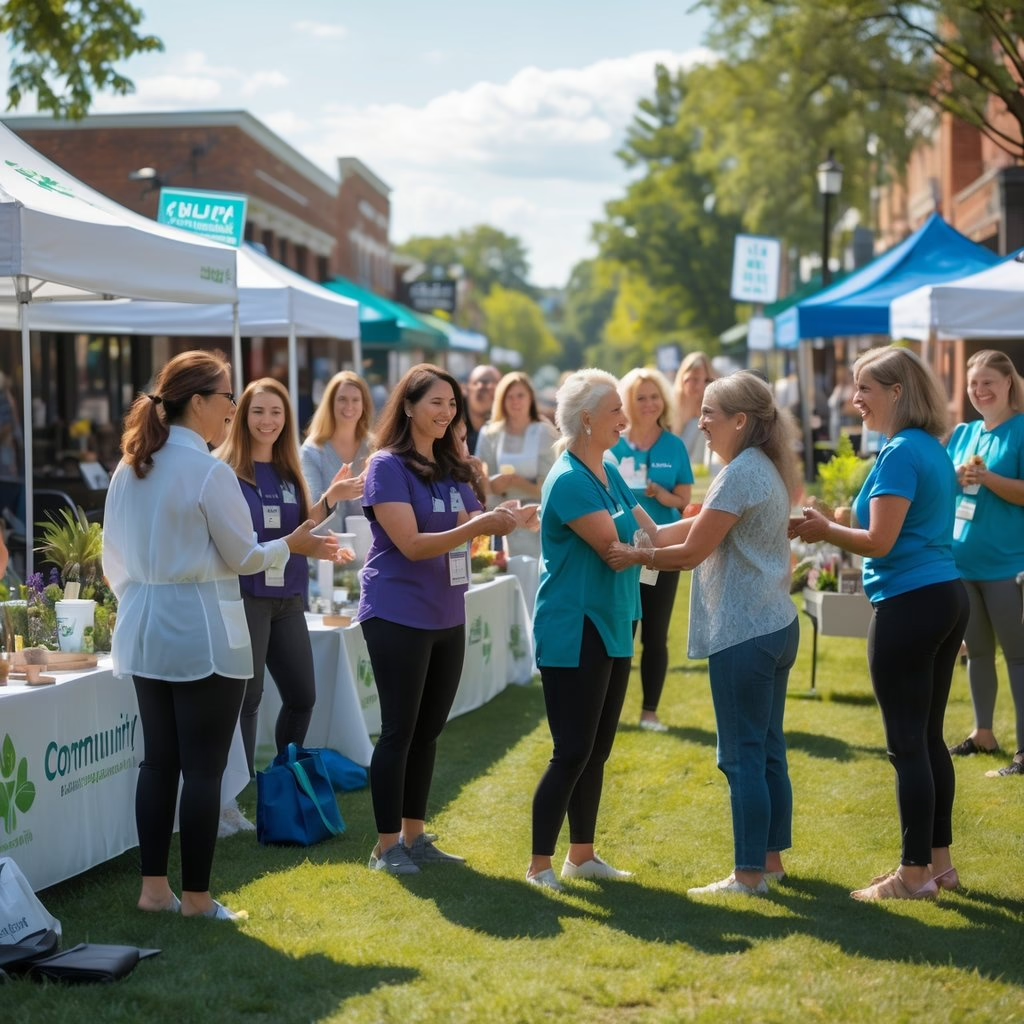
Local SEO helps holistic practitioners appear in search results when potential clients look for services in their geographic area. When someone searches for “acupuncturist near me” or “holistic nutritionist in Portland,” proper local SEO optimization determines whether your practice appears in those results.
Your digital presence needs three core components to succeed locally:
Google Business Profile – This free listing controls how you appear in Google Maps and local search results. You need accurate business information, regular updates, and client reviews.
Location-specific content – Your website should include pages that mention your city, neighborhood, and service areas. Blog posts about local health trends and seasonal wellness tips help search engines understand your geographic relevance.
Local citations – These are mentions of your practice name, address, and phone number across online directories. Consistency across all platforms builds trust with search engines.
The connection between holistic SEO and your digital presence goes beyond technical optimization. Your practice needs credibility signals that show you’re an active member of your community.
This includes client testimonials, professional credentials, and evidence of local involvement. Search engines prioritize businesses that demonstrate real-world presence and engagement.
Your offline activities generate online signals that improve your local search rankings. Community events, local partnerships, and physical location markers all contribute to how search engines evaluate your practice’s relevance to local searchers.
Community Outreach And Its Importance In Local SEO
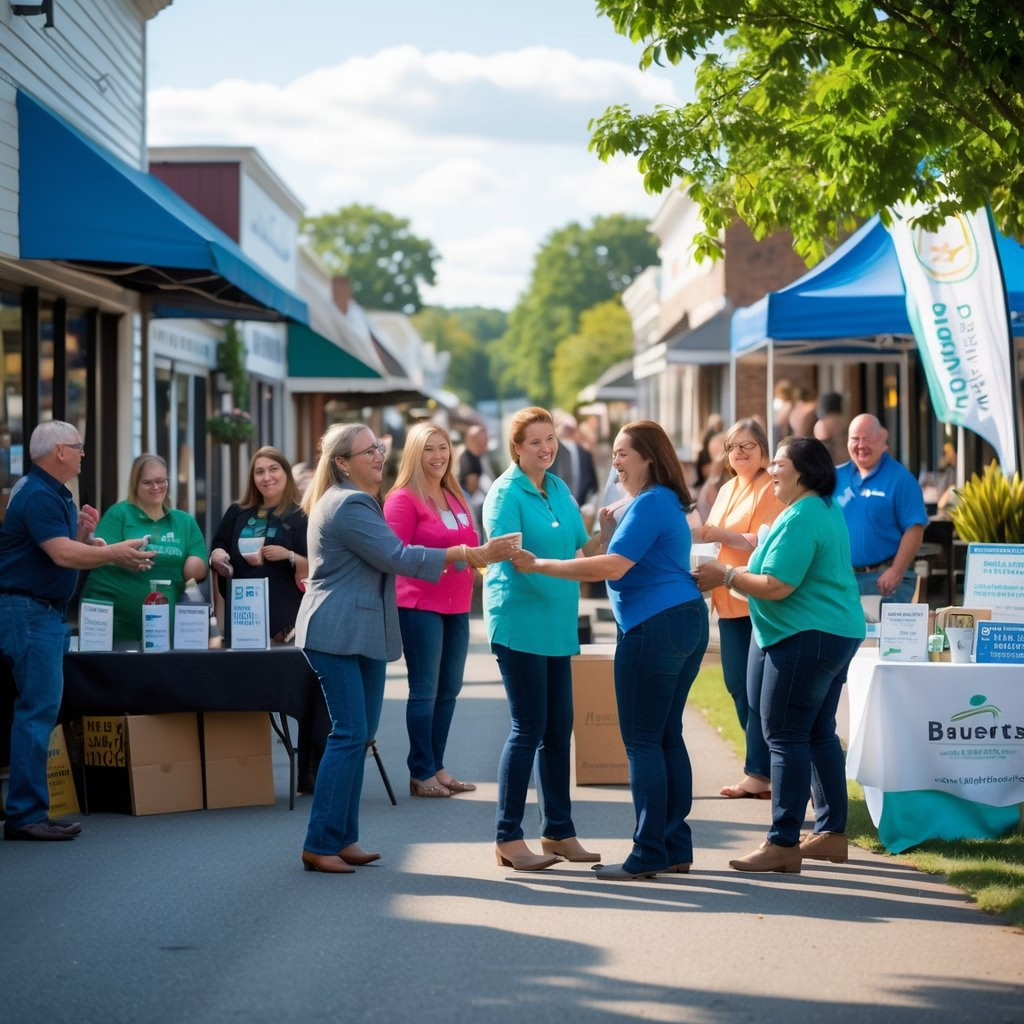
Community outreach strengthens your local search presence by generating authentic signals that search engines use to determine relevance and authority. Active participation in your community creates measurable impacts on visibility while establishing your business as a legitimate local entity.
Building Trust Within The Community
Trust forms the foundation of effective local search optimization. When you engage with community members through genuine interactions, you create advocates who naturally mention and link to your business online.
Sponsoring events, working with local businesses and joining neighborhood projects provide credibility while strengthening hyperlocal SEO signals.
These activities generate online mentions, social media engagement, and reviews from real community members. Search engines recognize patterns of authentic community involvement.
Your participation in local initiatives creates digital footprints across multiple platforms that verify your business location and relevance.
Key trust-building activities include:
-
Hosting workshops or educational sessions
-
Supporting local charities or causes
-
Participating in chamber of commerce events
-
Collaborating with schools or community centers
These actions produce natural backlinks, social shares, and user-generated content that search algorithms value highly. The consistency of your community presence reinforces location signals that improve local rankings.
Enhancing Local Brand Awareness
Community outreach expands your visibility beyond digital channels. Businesses deeply embedded in their communities through events, partnerships, and localized content receive preferential treatment in search results.
When you participate in local activities, you create opportunities for branded searches. People who meet you at community events later search for your business name, which signals relevance to search engines.
Physical presence at farmers markets, street fairs, or neighborhood gatherings puts your brand in front of potential customers. These interactions often lead to online reviews, social media tags, and website visits that boost your local search metrics.
Creating content that highlights local partnerships positions your business as a community leader. Blog posts about local events or collaborations generate location-specific keywords that match how nearby customers search.
Your brand becomes associated with specific neighborhoods and community landmarks. This geographic relevance directly impacts how search engines display your business for location-based queries.
Creating Long-Lasting Client Relationships
Sustained community involvement builds customer loyalty that translates into ongoing SEO benefits. Long-term relationships generate repeat reviews, consistent engagement, and ongoing referrals that maintain your local search authority.
Regular community participants become familiar faces who earn customer retention. These loyal customers leave multiple reviews over time, which demonstrates ongoing business activity to search algorithms.
Community-based organizations thrive on local engagement because their visibility in local search results connects them with families, individuals, and volunteers.
Recurring involvement creates predictable patterns of online activity. Monthly events or quarterly partnerships generate regular spikes in searches, website traffic, and social mentions that keep your business ranking well.
Relationship-building tactics that support SEO:
-
Creating loyalty programs for community members
-
Maintaining email lists for event announcements
-
Following up with participants on social media
-
Documenting community involvement through photos and stories
These relationships provide a steady stream of user signals that reinforce your local relevance.
Hosting Wellness Events To Boost Local SEO

Wellness events create natural opportunities for local businesses to connect with their community while generating authentic signals that search engines value. These gatherings produce user-generated content, earn local citations, and drive foot traffic that translates into improved search visibility.
Types Of Wellness Events To Consider
Yoga sessions in public parks or outdoor spaces attract health-conscious participants who often share their experiences on social media. You can host weekly morning sessions that become recurring community fixtures, building consistent engagement over time.
Nutrition workshops and cooking demonstrations provide educational value while positioning your business as a local authority. Partner with registered dietitians or nutritionists to offer credible information about meal planning, dietary restrictions, or healthy eating habits.
Mental health awareness sessions address growing community needs around stress management and mindfulness. These events can include guided meditation, breathing exercises, or talks from licensed therapists who serve your area.
Fitness challenges like 5K runs, walking groups, or outdoor boot camps generate participant registrations and create shareable content. You can establish monthly themes or seasonal variations to maintain interest throughout the year.
Health screenings for blood pressure, cholesterol, or body composition offer practical value that drives attendance. Collaborate with local healthcare providers who can conduct these services while you handle event logistics and promotion.
Promoting Events Online And Offline
Create a dedicated events page on your website with structured data markup that helps search engines understand your event details. Include the event name, date, time, location, description, and registration information in schema markup format.
Submit your events to local event directories and community calendars that serve your geographic area. These platforms provide valuable backlinks and help potential attendees discover your activities through multiple channels.
Post regular updates across your social media accounts with location tags and relevant hashtags specific to your community. Encourage early registrants to share the event with their networks and tag your business in their posts.
Distribute physical flyers at complementary businesses like gyms, health food stores, coffee shops, and community centers. Include your website URL and social media handles on all printed materials to drive online traffic.
Send email invitations to your existing customer base and local newsletter subscribers. Segment your list based on past attendance or expressed interests to improve relevance and response rates.
Measuring The Impact Of Events On SEO
Track website traffic spikes around event dates using Google Analytics, paying attention to visitors from your local area. Monitor which pages receive increased attention and how event attendees navigate through your site after their initial visit.
Monitor new online reviews and mentions that reference your wellness events across platforms like Google Business Profile, Yelp, and Facebook. These reviews provide fresh, relevant content that signals activity and engagement to search algorithms.
Measure changes in your local pack rankings for relevant keywords before and after hosting events. Document your position for terms related to wellness services in your area using rank tracking tools on a weekly basis.
Count earned media coverage from local news outlets, blogs, or community websites that feature your events. These mentions create authoritative backlinks and expand your digital footprint beyond your own channels.
Key metrics to track:
- New Google Business Profile followers and interactions
- Increase in branded search volume during event periods
- Social media engagement rates per event post
- Number of event page views and registration conversions
- Local citation additions from event listings
Forming Local Business Partnerships
Strategic alliances with complementary local businesses create opportunities for shared audiences, co-marketing initiatives, and valuable backlinks that strengthen your regional search presence.
Identifying Potential Business Partners
Start by mapping businesses that serve your target audience without directly competing with your services. A wedding photographer pairs naturally with florists, venues, and caterers.
A gym connects well with nutritionists, physical therapists, and healthy restaurants. Look for businesses with similar customer demographics but different service offerings.
Check their online presence to ensure they maintain active websites and social media accounts. Partners with established digital footprints provide more value for building local links through partnerships.
Evaluate potential partners based on their community reputation and customer base size. Attend local chamber of commerce meetings and business networking events to identify organizations aligned with your values.
Review their Google Business Profile reviews and engagement levels to gauge their local standing.
Collaborative Marketing Strategies
Co-host educational workshops or seminars that showcase both businesses’ expertise. A real estate agent and mortgage broker can run first-time homebuyer seminars together.
These events generate content opportunities and shared promotional efforts across both customer bases. Create bundled service packages that combine your offerings at a discounted rate.
Document these partnerships on dedicated landing pages that each business links to from their website. Cross-promote through email newsletters, highlighting the partnership benefits to subscribers.
Develop joint content like blog posts, videos, or guides that feature both businesses. A pet store and veterinary clinic could create seasonal pet care guides.
Each piece of co-created content provides legitimate linking opportunities and expands your reach to improve local SEO results.
Leveraging Partnerships For Mutual SEO Benefits
Exchange contextual backlinks within relevant content rather than generic partner page listings. Write guest posts for your partner’s blog or feature them in case studies on your site.
These natural, editorially-placed links carry more weight than directory-style link exchanges. Request that partners mention your business in their Google Business Profile posts and local citations.
When they reference your collaboration in online content, ensure they link to specific service pages rather than just your homepage. Track partnership performance through UTM parameters and monitor referral traffic from partner websites.
Share analytics insights with partners to demonstrate mutual value and strengthen the relationship for ongoing scalable local SEO practices.
Generating Offline Engagement Signals
Physical interactions with your business create digital footprints that search engines track and value. When customers engage with your business in person and share those experiences online through reviews, social media posts, or local press mentions, you generate powerful ranking signals that strengthen your local search visibility.
Encouraging Reviews And Testimonials
Ask customers for reviews right after positive interactions when their experience is fresh. Train your staff to mention your Google Business Profile at checkout or after service, making the request part of your standard customer interaction.
Create simple review request cards with QR codes linking directly to your Google review page. Hand these to satisfied customers or include them in purchase bags and receipts.
The easier you make the process, the more reviews you’ll collect.
Effective review generation tactics:
- Follow up with customers via email 2-3 days after purchase or service
- Respond to every review within 24-48 hours to show engagement
- Display positive reviews in your physical location to remind customers
- Offer review stations with tablets in your store or waiting area
Physical testimonials matter beyond digital reviews. When customers share positive experiences with neighbors or colleagues, these conversations often lead to branded searches and direct website visits.
These offline proof signals boost your local rankings by showing genuine community trust.
Utilizing Local Media And Press Coverage
Local newspapers, radio stations, and television outlets provide credible third-party validation that search engines recognize. Press coverage generates authoritative backlinks and increases branded search volume when community members see your business name in trusted media.
Pitch newsworthy stories to local journalists instead of sending generic press releases. Focus on community impact, such as job creation, charitable initiatives, or unique solutions to local problems.
Reporters want compelling stories that matter to their audience. Build relationships with local media contacts before you need coverage.
Attend community journalism events and connect with reporters who cover your industry. Offer yourself as an expert source for future stories related to your field.
When you receive press coverage, amplify it across all channels. Share articles on social media, link to coverage from your website, and mention it in your email newsletter.
Traditional media features create lasting SEO value through high-authority backlinks and increased brand awareness.
Engaging With Local Social Media Groups
Join Facebook groups, Nextdoor communities, and local Reddit threads where your customers gather online. These platforms bridge offline community connections with digital engagement, creating opportunities to build relationships that translate into business visibility.
Participate authentically by answering questions and sharing helpful information without constant self-promotion. Contribute value first and establish yourself as a trusted community resource.
When you help people genuinely, they remember your business when they need your services. Share photos and updates from your physical location that highlight community participation and local events.
Post about sponsorships, team volunteer days, or partnerships with other local businesses. These posts generate engagement signals and show your active role in the community.
Monitor local hashtags and location tags to find conversations about your business or industry. Respond to mentions quickly and engage with posts from other local businesses.
This activity increases your visibility within local social networks and creates natural opportunities for customers to discover your business both online and offline.
Integrating Digital And Offline Strategies
Your offline activities create real-world signals that search engines can detect and use to evaluate your local relevance. Connecting these efforts with your digital presence requires deliberate coordination and consistent measurement of each touchpoint’s impact on your search visibility.
Synchronizing Online And Offline Marketing Efforts
You need to establish clear pathways between your physical activities and digital platforms. When you host a community event, promote it through your Google Business Profile, website event calendar, and social media channels before it happens.
During the event, encourage attendees to check in on social platforms and leave reviews mentioning the specific event. Integrating community events and sponsorships with online marketing creates a cohesive local presence that strengthens your authority.
Add QR codes to print materials that direct people to specific landing pages where you can track conversions. Include your website and social handles on all physical signage, vehicle wraps, and promotional materials.
Train your staff to request reviews at the point of service and provide simple instructions for leaving feedback. Your in-store experience should reflect the messaging on your website to maintain brand consistency.
Create location-specific landing pages for each physical initiative, including details about partnerships, sponsorships, or recurring events in your community.
Tracking And Analyzing Local SEO Performance
You must monitor multiple metrics to understand how offline activities affect your search rankings. Track changes in Google Business Profile views, direction requests, and phone calls during and after community events.
Use UTM parameters on QR codes and printed materials to measure which offline campaigns drive website traffic. Monitor your search ranking positions for location-based keywords in the weeks following major community initiatives.
Set up Google Analytics to track visits from mobile devices near your physical location. Review the volume and sentiment of reviews received, noting any correlation with specific events or partnerships.
Watch for increases in branded search queries that indicate growing awareness from offline marketing efforts that support local SEO. Track citation building and local directory mentions that emerge organically after community involvement.
Compare foot traffic patterns with online engagement metrics to identify which activities generate the strongest combined impact.
Adapting Strategies Based On Data Insights
You should adjust your approach based on what the data reveals about performance. If certain types of community events generate significant review activity while others don’t, allocate more resources to the effective formats.
When specific partnerships produce measurable search visibility improvements, expand those relationships and seek similar opportunities. Analyze which offline-to-online conversion paths work best for your audience.
If QR codes on event materials drive more traffic than printed URLs, prioritize QR implementation across all physical touchpoints. Test different review request timing and methods to find what generates the highest response rate.
Scale successful initiatives while discontinuing underperforming activities. When offline actions paired with data analysis show clear ROI, document the process for replication.
Adjust your content strategy to highlight the community involvement and partnerships that resonate most with your local audience and generate engagement.
Frequently Asked Questions
Local businesses often wonder how offline activities translate into digital search performance and what specific actions generate measurable SEO results. The connection between physical community presence and online rankings involves multiple factors from event hosting to media mentions.
How can organizing local events improve my business’s local search engine rankings?
Organizing local events creates natural opportunities for online mentions and backlinks from event calendars, local news sites, and community organization websites. When you host workshops, meetups, or community gatherings, attendees often share photos and posts on social media that include your business name and location.
Local events boost search rankings by generating location-specific content that search engines associate with your business. Event pages on your website targeting local keywords help you rank for searches related to activities in your area.
Partnership with local venues and co-sponsors leads to reciprocal links and cross-promotion. These connections build your local link profile while establishing your business as an active community participant.
What role do offline community partnerships play in enhancing a business’s online visibility?
Community partnerships strengthen local link building by creating authentic connections with established local organizations. When you collaborate with chambers of commerce, business associations, or nonprofit groups, these entities typically list partners on their websites with links back to your business.
Offline collaborations generate referral traffic and signal trust to search engines. Joint initiatives like co-hosted events or shared charitable projects result in mentions across multiple platforms.
Sponsoring events and joining neighborhood projects provides credibility and stronger hyperlocal SEO signals. These partnerships show your commitment to the local area, which search algorithms increasingly factor into local rankings.
Can involvement in local charitable activities impact a company’s local SEO performance?
Supporting local charities creates backlink opportunities from nonprofit websites, donation pages, and fundraising event listings. Many charitable organizations maintain websites with sponsor pages that link to supporting businesses.
Charitable involvement generates positive press coverage in local media outlets. These mentions often include your business name, location, and links to your website, which strengthen your local search presence.
Community service activities provide content opportunities for your own website and social media channels. Documenting your charitable work with location-specific blog posts and updates helps you rank for local searches while building brand authority.
What are effective strategies for leveraging local sponsorships to boost online presence?
Event sponsorship packages typically include logo placement on event websites, promotional materials, and social media posts with backlinks to your site. Choose sponsorship opportunities that align with your target audience and offer digital visibility components.
Neighborhood sponsorships and co-hosted events strengthen your link profile and enhance local SEO. Request specific digital benefits like featured sponsor blog posts, social media mentions with tags, and permanent links from partner websites.
Create dedicated landing pages on your website for each sponsorship that explain your involvement and include local keywords. These pages capture traffic from people researching the sponsored event or organization.
How does local media coverage influence SEO rankings for small and medium-sized businesses?
Local news websites and publications carry significant domain authority that transfers value through backlinks. When reporters cover your business, events, or community involvement, the resulting articles with links to your website signal relevance to search engines.
Media mentions increase brand searches, which Google interprets as a sign of business prominence and authority. People who read about your business in local news often search for your company name directly, improving your overall search performance.
Press coverage creates opportunities for additional content on your own website. You can reference media features in blog posts, create a press page showcasing coverage, and share articles across social media to amplify the visibility benefit.
In what ways can physical branding within a community affect online search results?
Physical storefronts, signage, and branded materials in your community increase offline brand awareness. When people see your business name and logo around town, they are more likely to search for you by name.
Vehicle wraps, billboards, and yard signs in specific neighborhoods drive location-based searches. These offline touchpoints prompt people to look up your business while already thinking about your service area.
Branded participation in farmers markets, festivals, and community events puts your business name in front of local residents. These interactions lead to reviews, photos, and social media check-ins that boost your local search visibility.