
Lighting plays a crucial role in shaping the atmosphere of any space, especially in therapeutic settings.
Proper lighting can create a calming environment that promotes relaxation and aids in the healing process. When you walk into a room, the lighting immediately affects your mood and perception.

For therapists and wellness practitioners, creating a welcoming atmosphere is essential for client comfort and treatment effectiveness.
The right lighting can help clients feel at ease, encouraging openness and trust. Soft, warm lighting can promote relaxation, while natural light can boost mood and energy levels.
By understanding the psychological effects of different lighting types, you can design spaces that support your clients’ well-being.
From color temperature to dimming options, every aspect of lighting contributes to the overall ambiance. Let’s explore how you can harness the power of light to create a soothing environment for your clients.
Key Takeaways
- Lighting significantly impacts mood and can aid in the healing process
- Soft, warm lighting promotes relaxation and openness in therapeutic settings
- Strategic lighting design enhances client comfort and treatment effectiveness
Understanding the Importance of Lighting in Holistic Practices
Lighting plays a crucial role in creating a calming atmosphere for clients in holistic practices. It influences psychological states and can significantly enhance relaxation during therapeutic sessions.
The Psychological Impact of Lighting
Lighting profoundly affects your mood and mental state.
Bright light can boost alertness and cognitive performance, while softer, warmer lighting tends to promote relaxation.
In holistic practices, you’ll often encounter carefully designed lighting schemes. These aim to reduce stress and anxiety, creating a sense of comfort and safety.
Color temperature also plays a vital role. Cooler tones can increase focus, while warmer hues induce calmness.
Practitioners may adjust lighting throughout a session to guide your emotional journey.
Lighting intensity affects hormone production, particularly melatonin. Lower light levels in the evening can help prepare your body for rest, aligning with natural circadian rhythms.
The Connection Between Lighting and Client Relaxation
Proper lighting in wellness spaces significantly impacts your overall experience.
Gentle, diffused lighting can help ease tension and promote a sense of tranquility.
Dimmable lights allow practitioners to tailor the ambiance to your needs. They might use brighter light for consultations, then dim it for treatments to enhance relaxation.
Natural light, when available, can be particularly beneficial. It helps regulate your body’s internal clock and can improve mood. However, practitioners often combine natural and artificial light for optimal effects.
Some holistic practices incorporate light therapy. This can involve using specific colors or intensities of light to address particular health concerns or emotional states.
Indirect lighting techniques, such as wall-washing or uplighting, can create a soothing atmosphere without harsh glare. This soft illumination helps you feel more at ease during your session.
Natural Light Utilization
Natural light plays a crucial role in creating a calming atmosphere for clients. It offers numerous benefits, can be maximized through various techniques, and requires careful balancing with privacy needs.
Benefits of Natural Light
Natural light has a profound impact on human well-being and mood.
Exposure to natural light can improve cognitive performance and boost creativity. It helps regulate your circadian rhythm, leading to better sleep patterns and increased overall energy levels.
Natural light also enhances the visual appeal of spaces. It brings out true colors and textures, making environments appear more spacious and inviting. This can be particularly beneficial in client-facing areas, where a positive first impression is crucial.
Additionally, utilizing natural light can lead to significant energy savings. By reducing the need for artificial lighting during daylight hours, you can lower electricity costs and decrease your carbon footprint.
Techniques for Maximizing Natural Light
To make the most of natural light, consider the following strategies:
- Use reflective surfaces: Mirrors and light-colored walls can help bounce light deeper into spaces.
- Install larger windows or skylights: These allow more sunlight to enter the room.
- Choose translucent window treatments: Opt for sheer curtains or blinds that filter light without blocking it completely.
- Position workstations near windows: This ensures clients and staff benefit from natural light throughout the day.
- Incorporate glass partitions: These allow light to flow between spaces while maintaining separate areas.
Regular cleaning of windows and skylights is essential to maximize light transmission. Consider using light tubes or solar tubes to bring natural light into windowless areas.
Balancing Natural Light with Privacy Needs
While natural light is beneficial, it’s important to balance it with client privacy and comfort. Here are some techniques to achieve this balance:
- Install adjustable window treatments: These allow you to control light levels and privacy as needed.
- Use frosted or textured glass: This maintains privacy while still allowing light to pass through.
- Implement smart glass technology: This allows you to switch between transparent and opaque states at the touch of a button.
- Create strategic seating arrangements: Position seating to benefit from natural light without compromising privacy.
Consider the time of day and seasonal changes when planning your natural light strategy. You may need to adjust your approach throughout the year to maintain optimal lighting and privacy levels.
Color Temperature Considerations

Color temperature plays a crucial role in creating a calming atmosphere for clients. The right lighting can significantly impact mood, productivity, and overall well-being. Understanding how to use color temperature effectively is essential for designing spaces that promote relaxation and comfort.
Understanding Color Temperature
Color temperature refers to the warmth or coolness of light emitted by a source. It’s measured in Kelvin (K) on a scale from 1,000K to 10,000K. Lower temperatures (2,000K-3,000K) produce warm, yellowish light, while higher temperatures (5,000K-6,500K) create cool, bluish light.
Warm light resembles candlelight or sunrise, promoting relaxation. Cool light mimics midday sun, enhancing alertness and focus. Neutral light (3,500K-4,500K) falls between warm and cool, offering a balanced ambiance.
To visualize color temperature:
- 2,000K-3,000K: Soft white/warm white
- 3,500K-4,500K: Bright white/cool white
- 5,000K-6,500K: Daylight
Choosing the Right Color Temperature for Different Spaces
Selecting appropriate color temperatures for various areas is crucial for creating the desired atmosphere. Here’s a guide for common spaces:
-
Bedrooms: Use warm lighting (2,700K-3,000K) to promote relaxation and prepare for sleep.
-
Living rooms: Opt for warm to neutral light (2,700K-3,500K) to create a cozy, inviting environment.
-
Kitchens: Choose neutral to cool light (3,500K-5,000K) for better visibility during food preparation.
-
Home offices: Use cool light (4,000K-6,500K) to enhance focus and productivity.
-
Bathrooms: Install neutral to cool light (3,500K-5,000K) for grooming tasks.
Consider using adjustable color temperature bulbs to adapt lighting throughout the day.
The Impact of Warm vs. Cool Lighting on Mood
Warm lighting creates a cozy, intimate atmosphere, promoting relaxation and comfort. It’s ideal for winding down in the evening and creating a welcoming ambiance in social spaces.
Cool lighting enhances alertness and concentration, making it suitable for task-oriented areas. However, it can feel harsh and uninviting in relaxation spaces.
To balance mood and functionality:
- Use warm lighting in bedrooms and living areas
- Install cool lighting in kitchens and workspaces
- Implement neutral lighting in transitional areas
Consider layering different color temperatures to create versatile lighting schemes that adapt to various activities and times of day.
Dimming Options and Flexibility
Dimming capabilities provide precise control over lighting intensity, allowing for customized environments that cater to individual needs and preferences. Adjustable lighting systems offer versatility in treatment spaces, enhancing comfort and effectiveness.
The Benefits of Dimmable Lighting
Dimmable lighting offers significant advantages in creating calming atmospheres for clients. You can easily adjust light levels to suit different activities and moods throughout the day. This flexibility helps reduce eye strain and promotes relaxation.
Dimming also allows you to accommodate clients with varying sensitivities to light. By lowering light intensity, you can create a more soothing environment for those who may find bright lights overwhelming.
Energy efficiency is another key benefit. Dimming lights reduces power consumption, leading to cost savings and a smaller environmental footprint. This aligns with sustainable practices while maintaining optimal lighting conditions.
Implementing Dimming Solutions in Treatment Spaces
When implementing dimming solutions, consider using LED lighting. LEDs offer excellent dimming capabilities and are energy-efficient. They provide smooth, flicker-free dimming, which is crucial for maintaining a calm atmosphere.
Install dimmer switches or smart lighting systems that allow for easy adjustment. You can opt for wall-mounted dimmers or wireless controls for added convenience. Zoned lighting enables you to create different areas with varying light levels within the same space.
Consider integrating natural light with artificial lighting. Use shades or blinds that can be adjusted alongside your dimming system to maintain consistent light levels throughout the day.
Best Practices for Adjusting Light Levels
Start by assessing the needs of your clients and the activities taking place in each space.
Create preset lighting scenes for different scenarios, such as therapy sessions, relaxation periods, or administrative tasks.
Gradual transitions are key when changing light levels. Abrupt changes can be jarring, so use slow fades when adjusting intensity. This helps maintain a calm and comfortable environment.
Regularly check in with clients about their lighting preferences. Some may prefer slightly brighter or dimmer settings than others. Be prepared to make adjustments based on individual feedback to ensure optimal comfort.
Use warm color temperatures when dimming lights, as they tend to create a more relaxing atmosphere. Avoid overly cool or bluish tones at lower intensities, as they can feel harsh or clinical.
Practical Tips for Effective Lighting Solutions

Creating a calming atmosphere through lighting involves careful planning and thoughtful implementation. Consider these key strategies to enhance your space and promote relaxation.
Selecting the Right Fixtures
Choose fixtures that complement your space’s style while providing the desired light quality.
Dimming lights offer versatility, allowing you to adjust brightness levels for different moods and activities.
Opt for soft, diffused light sources to minimize harsh shadows and glare. Wall sconces and floor lamps with fabric shades can create a gentle, soothing glow.
Consider color temperature when selecting bulbs. Warm white (2700-3000K) promotes relaxation, while cool white (3500-4100K) is better suited for task-oriented areas.
Layering Lighting for Depth and Comfort
Implement a layered lighting approach using ambient, task, and accent lighting to create a balanced and inviting atmosphere.
Ambient lighting provides overall illumination. Use ceiling fixtures or recessed lights with dimmers for adjustable general lighting.
Incorporate task lighting for specific activities. Table lamps or adjustable desk lights offer focused illumination without overwhelming the space.
Add accent lighting to highlight architectural features or artwork. Use wall washers or picture lights to create visual interest and depth.
Incorporating Decorative Elements for a Calming Effect
Integrate decorative lighting elements to enhance the calming atmosphere. Natural light simulators can mimic daylight, supporting circadian rhythms and emotional well-being.
Consider salt lamps or flameless candles for a soft, warm glow. These elements add visual interest while promoting relaxation.
Use string lights or LED strips to create gentle, indirect lighting. Place them behind furniture or along shelving for a subtle, soothing effect.
Incorporate nature-inspired fixtures, such as pendant lights with leaf or branch designs, to bring a sense of tranquility to your space.
Case Studies and Examples
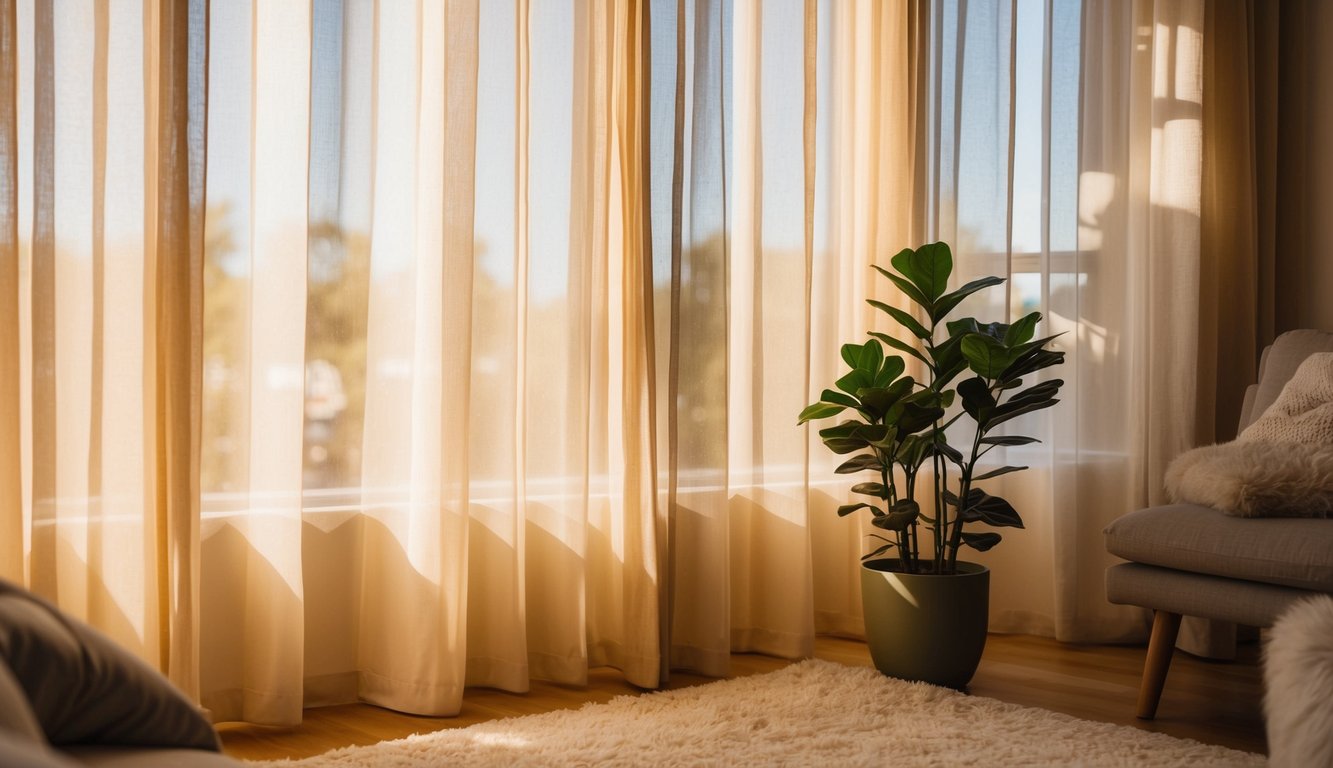
Real-world applications demonstrate the profound impact of lighting on creating calming atmospheres for clients. Thoughtful lighting design can transform spaces and enhance therapeutic experiences.
Successful Lighting Implementations in Holistic Practices
A therapist’s office with a soft green color scheme incorporated warm wood tones and calming blue accents. The lighting design played a crucial role in shaping the soothing atmosphere.
Natural light was maximized through large windows, while dimmable LED fixtures provided adjustable artificial illumination. This allowed the therapist to tailor the lighting to each client’s needs and preferences.
Indirect lighting fixtures were installed to reduce glare and create a diffused, gentle glow. Color-changing LEDs were strategically placed to allow for chromotherapy sessions when desired.
Transformations of Treatment Spaces Through Lighting
A meditation studio underwent a remarkable transformation through lighting interventions. The space initially felt cold and sterile due to harsh overhead fluorescents.
Designers replaced these with warm, dimmable lights to create a cozy atmosphere conducive to relaxation and introspection. Wall-mounted sconces with frosted glass diffusers provided a soft, ambient glow.
Programmable LED strips were installed along the baseboards, allowing for subtle color shifts to match guided meditation themes. The new lighting design significantly enhanced the studio’s ability to foster a calm, centered state of mind for clients.
Conclusion

Lighting plays a crucial role in creating a calming atmosphere for clients. By carefully considering the lighting design in your wellness space, you can significantly enhance the overall experience.
Remember to incorporate soft, warm lighting to promote relaxation and comfort. This type of illumination helps clients feel at ease and encourages a sense of well-being.
Creating different color zones through lighting can further enhance the atmosphere. Each area of your space can be tailored to evoke specific moods and support various activities.
Don’t forget the importance of adjustable lighting. Dimmers and customizable options allow you to adapt the ambiance to suit individual client needs and preferences.
By implementing these lighting strategies, you’ll create an inviting and soothing environment that promotes relaxation and healing. Your clients will appreciate the thoughtful attention to detail, leading to improved experiences and potentially increased loyalty.
Frequently Asked Questions

Lighting plays a crucial role in shaping emotions, comfort, and overall atmosphere in various settings. It impacts psychological states, influences customer experiences, and can be strategically employed to create calming environments.
How can lighting influence a person’s emotional state?
Lighting directly affects mood and emotions. Bright, cool-toned light can increase alertness and energy levels. Conversely, warm, soft lighting promotes relaxation and calmness.
Color temperature also impacts emotions. Warmer tones (2700-3000K) evoke feelings of comfort and coziness, while cooler tones (5000K+) can enhance focus and productivity.
What are the psychological effects associated with different lighting conditions?
Different lighting conditions trigger various psychological responses. Soft, indirect lighting promotes relaxation and reduces stress. Harsh, bright lighting may increase anxiety and discomfort.
Dim lighting can create intimacy but may also induce drowsiness. Natural light exposure improves mood and regulates circadian rhythms, positively affecting sleep patterns and overall well-being.
In what ways does lighting contribute to the ambiance of a setting?
Lighting is fundamental in setting the mood and atmosphere of a space. It can make a room feel spacious, cozy, formal, or relaxed. Layered lighting creates depth and visual interest, enhancing the overall ambiance.
Accent lighting highlights focal points, while ambient lighting provides general illumination. Task lighting serves functional purposes without compromising the overall atmosphere.
How can the correct lighting improve customer experience and engagement?
Appropriate lighting enhances customer comfort and influences behavior. Well-lit displays attract attention and encourage product interaction. Comfortable lighting in seating areas promotes longer stays and increased engagement.
Proper lighting in wellness centers creates a calming atmosphere, putting clients at ease. In retail environments, lighting can guide customers through the space and highlight key products or areas.
Can the intensity and color temperature of lighting affect user comfort and relaxation?
Yes, they can. Lower intensity lighting with warmer color temperatures (2700-3000K) promotes relaxation and comfort. Higher intensity, cooler light (4000K+) can increase alertness but may reduce comfort in relaxation-focused spaces.
Dimmable lighting allows for adjustable intensity, catering to different needs throughout the day. Color-changing LED systems offer flexibility to adapt the atmosphere as required.
What strategies can businesses employ to leverage lighting for creating a calming environment?
Businesses can use several lighting strategies to create calming environments. Implementing soft, diffused lighting reduces harsh shadows and glare. This promotes a sense of tranquility.
Incorporating natural light where possible enhances well-being. Using warm-toned lighting fixtures and bulbs creates a cozy atmosphere. Avoiding overly bright or cool-toned lighting in relaxation areas helps maintain a calming ambiance.