
Building a thriving holistic practice starts with genuine connection, not aggressive marketing. Email list building gives you a consistent way to build trust and share expertise.
When you create an engaging lead magnet and pair it with a high-converting landing page, you turn casual interest into lasting relationships.
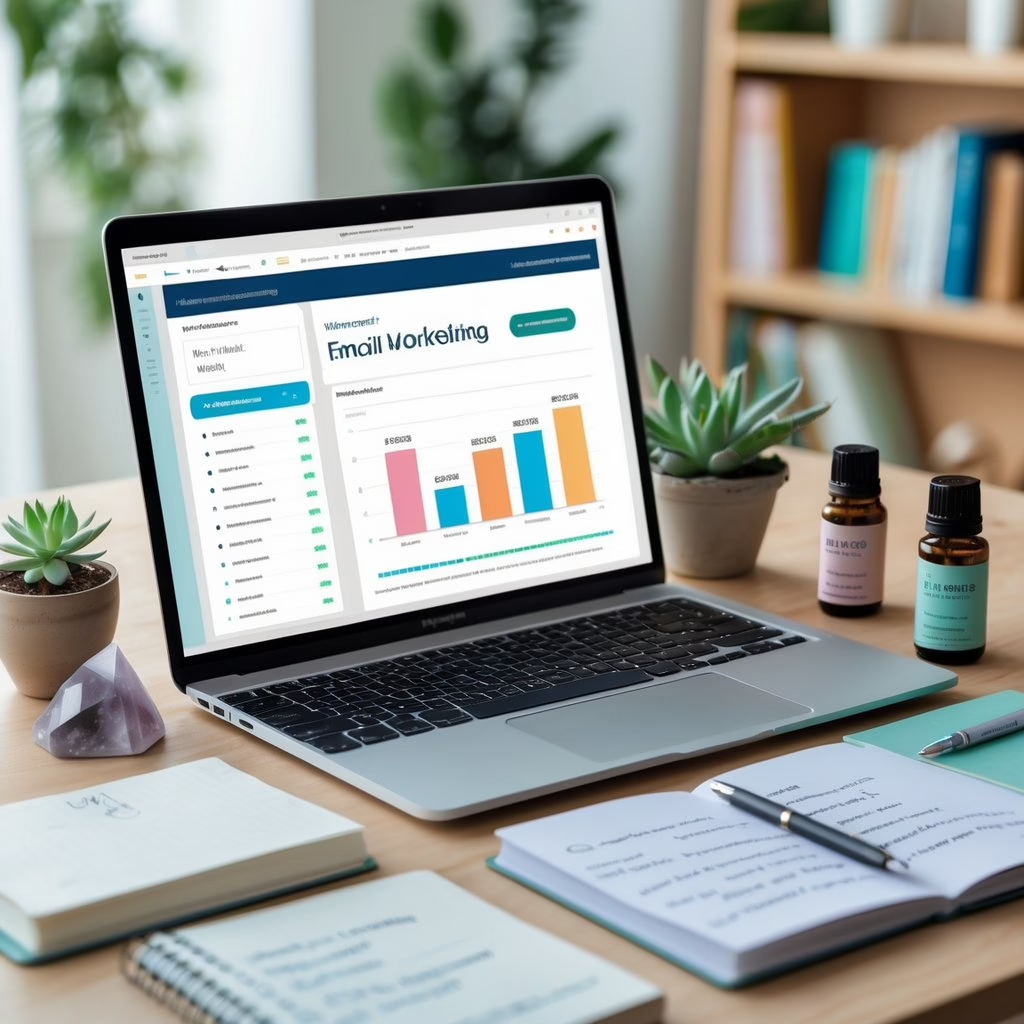
You don’t need complicated funnels or flashy tactics. Offer real value through focused lead magnets that address your clients’ specific needs and emotions.
Present those offers on a clean, well-structured landing page to encourage signups without pressure.
Key Takeaways
- Build lasting relationships through honest value and consistent communication
- Design simple, effective landing pages that convert interest into action
- Offer focused lead magnets that meet real client needs
Understanding The Importance Of Email List Building

A high-quality email list helps you reach clients who value your guidance. You stay connected with them over time and support business growth ethically.
Effective email strategies let you communicate personalized wellness education and promote services. You can sustain recurring relationships without relying solely on social media algorithms.
Benefits Of Email Marketing For Holistic Practitioners
Email marketing gives you direct access to clients who want to hear from you. Compared to social media, this channel provides more consistent engagement and higher conversion potential.
Subscribers have already shown interest in your expertise. According to Copy.ai’s list building guide, relationship-based communication improves client trust and loyalty.
Use emails to share health tips, promote seasonal events, or follow up after consultations. Segment your list to make messages more relevant, such as separating clients interested in nutrition from those focused on mindfulness.
Personalization leads to better open rates and deeper connections. A well-structured email campaign also supports compliance with regulations such as GDPR.
Building with permission-first strategies, as discussed in Building an Engaging Email List: Strategies for Holistic Practitioners, reinforces transparency and professionalism.
Common Challenges And How To Overcome Them
Many practitioners struggle to attract engaged subscribers. People hesitate to provide personal information, so offering practical lead magnets—like short wellness guides—can increase sign-ups.
The resource on Email List Building: 15 Proven Strategies emphasizes providing immediate, genuine value at sign-up.
Keep your list clean by regularly removing inactive addresses to maintain sender reputation. Balancing promotional and educational content prevents unsubscribes.
Follow a simple ratio such as one educational email for every promotional message to maintain audience trust. Track engagement metrics and adjust frequency to align with your clients’ expectations.
What Are Lead Magnets?
Lead magnets help you attract potential clients by offering something valuable in exchange for their contact information. Use them to strengthen trust, demonstrate expertise, and grow your email list.
Definition And Purpose
A lead magnet is a free, high-value resource you give to visitors to encourage them to share their email address. It’s a trade: useful information or a helpful tool in return for permission to connect.
According to The Leap, lead magnets can include guides, templates, or mini-courses. Effective lead magnets serve three main purposes:
- Build trust with prospects through practical, relevant insight.
- Show credibility by addressing real challenges your clients face.
- Open communication for future marketing or education.
When you design a lead magnet for your specific audience, you filter serious prospects from casual browsers. You position yourself as a helpful expert rather than a salesperson.
Types Of Effective Lead Magnets For Holistic Practitioners
Your ideal lead magnet should meet your clients where they are in their wellness journey. Common and effective options include:
| Type | Example | Benefit |
|---|---|---|
| E-Book or Guide | “10 Natural Ways to Manage Stress” | Educates while building authority |
| Checklist or Cheat Sheet | “Daily Energy Reset Routine” | Quick value that encourages daily action |
| Quiz or Assessment | “Find Your Mind-Body Balance Type” | Creates engagement and personalization |
| Free Class or Mini-Course | “Intro to Mindful Nutrition” | Demonstrates depth of expertise |
| Template or Planner | “Holistic Self-Care Weekly Planner” | Practical and easy to implement |
Interactive formats like quizzes and calculators convert up to 70% better than static PDFs, according to AWeber’s analysis. Choose formats that fit your workflow and reflect the transformation your services offer.
How To Choose The Right Lead Magnet For Your Practice
To choose a lead magnet that performs well, define your ideal client’s biggest concern. For instance, a nutrition-focused practitioner may offer a meal-planning checklist.
A Reiki teacher might share a short grounding meditation. Match the format to your capacity and style of teaching.
If you prefer visual communication, short video trainings may fit better than text-heavy guides. Review examples from Mailsoftly’s 2025 guide to see how clarity and simplicity often lead to higher conversions.
Ensure each lead magnet connects logically to your services. After someone downloads it, your follow-up emails should build on the same topic and guide them toward booking a session or program.
Creating High-Converting Lead Magnets
High-performing lead magnets give your audience something they genuinely need. Deliver your offer in a clear format to make it easy to say yes.
Understand what drives your ideal clients and present your offer with clarity and value. You increase both trust and conversion rates.
Identifying Your Audience’s Needs And Pain Points
Start by analyzing what your potential clients ask about most. Common challenges include stress management, digestive health, or energy fatigue.
Identify these pain points through surveys, discovery calls, or social media polls. Use keyword tools or online communities to see what language your audience uses.
For example, a practitioner creating a stress guide might notice frequent mentions of “work-life balance.” Frame your lead magnet around specific needs to ensure it resonates.
Segment your audience if you serve different wellness niches. For example, separate lists for mindfulness seekers and nutritional clients allow you to tailor content effectively.
Relevant lead magnets often outperform generic ones, as explained in Your Guide to Creating A High-Converting Lead Magnet. A clear understanding of your audience’s daily struggles forms the foundation of your offer.
Crafting Compelling Content
Once you know what matters to your audience, provide an immediate, actionable solution. Choose a format that matches their habits, like a printable checklist, short video, or mini-ebook.
Keep it concise and easy to apply. Build quick wins that demonstrate your credibility.
Follow a clear structure: introduce the problem, offer a step-by-step solution, and include a simple next step such as booking a consultation. Use direct, educational language instead of marketing jargon.
Your message should sound like a trusted expert guiding a friend. A high-value magnet doesn’t need to be long.
The Ultimate Blueprint for Building Lead Magnets emphasizes focusing on clarity and usefulness over size or design complexity. Clients engage most with content that aligns with their immediate health goals.
Design And Presentation Tips
Presentation influences whether your lead magnet feels professional and worth downloading. Use a clean layout, consistent branding, and readable fonts.
White space helps prevent visual clutter, while color accents highlight key sections. Add a short introduction page explaining what the reader can expect and how to use your content.
Include clear calls to action, such as “Get your personalized wellness plan” or “Book your free consultation.” If you create digital content, consider interactive or multi-step formats that encourage engagement, as seen in this guide on creating interactive lead funnels.
Preview images or short snippets can boost conversions when sharing on social media or your website. Balance aesthetics with clarity so your design enhances the message.
Essential Components Of High-Converting Landing Pages

A high-converting landing page captures visitor attention and communicates value quickly. Motivate immediate action by aligning every element with your audience’s intent and your marketing message.
The Role Of Landing Pages In Email List Building
Your landing page acts as a focused entry point for potential clients. It eliminates distractions and directs visitors toward one specific action, such as joining your email list.
Unlike a homepage, it serves a single purpose: conversion. A clear, concise offer helps visitors understand what they’ll gain.
Many effective pages use short forms, limited navigation, and a visible call-to-action to minimize hesitation. Research shows that even small design adjustments can improve performance, as noted by Essential Addons.
For holistic practitioners, the landing page’s strength lies in credibility. Share testimonials, privacy assurances, and clear opt-in terms to reinforce trust.
When visitors feel secure, they are more likely to engage and share their contact information.
Key Elements Of An Effective Landing Page
Every successful landing page features a combination of content and layout elements. A strong headline, value-focused copy, and an engaging visual structure guide the visitor toward the desired action.
According to Crucial Magazine, optimizing trust indicators—like certifications and authentic social proof—increases conversions.
Essential components often include:
| Element | Purpose |
|---|---|
| Headline | States the main benefit clearly |
| Subheadline | Adds context or emotion |
| Visuals | Reinforce the message visually |
| Call-to-Action (CTA) | Prompts immediate response |
| Form Fields | Collect only necessary information |
Color contrast, whitespace, and mobile responsiveness all influence your results. Align visual consistency and copy clarity to reduce friction.
Best Practices For Holistic Practitioners
For your audience, authenticity often outweighs aggressive marketing. Use a calm, welcoming tone in your copy and imagery to make your message relatable.
Use language that reflects care, balance, and support rather than urgency or hype. Feature genuine client success stories rather than generic claims.
Simplify technical descriptions of wellness services and focus on outcomes your subscribers care about. Review optimization approaches shared by ThemeSelection for ideas on visuals and copy flow.
Keep your form brief and your CTA intentional. Simple phrases like “Join the Community” or “Get Wellness Tips” can outperform pushy language.
Ensure your landing page matches your holistic brand values so visitors experience alignment from the first click.
Designing Your Landing Page
A strong landing page uses a clear structure, compelling wording, and relevant visuals to guide visitors toward one action. When each element—layout, text, and imagery—works together with a single purpose, you increase conversions.
Choosing The Right Layout And Design
Choose a layout that matches your goal and fits how your audience processes information. For example, a single-column layout keeps the reader focused on your main offer.
A two-column layout works well if you want to display text and images side-by-side. Keep important elements—headline, call-to-action (CTA), and lead capture form—above the fold.
Use ample white space so the page feels clean and easy to read. Place sign-up or contact buttons in spots where users expect them, so they can act quickly.
Test different layout variations to see which one gets the most engagement. Study proven landing page design principles to improve clarity and flow.
Use consistent brand colors and easy-to-read fonts that reflect your professional tone as a holistic practitioner.
| Element | Purpose | Placement Tip |
|---|---|---|
| Headline | States benefit clearly | Top center |
| CTA Button | Invites immediate action | Repeated in visible areas |
| Lead Form | Captures contact details | Near CTA or at page end |
| Testimonials | Builds trust | Below main offer |
Writing Persuasive Copy
Write copy that informs and guides your readers. Start with a clear headline that tells visitors what they gain by sharing their email.
Make your offer specific, such as “Download a free guide to reducing stress naturally.” Break long text into short paragraphs or bullet lists.
Each section should answer a reader’s question: What do I get?, Why does it matter?, How do I sign up? Use action verbs and speak directly to the reader’s needs.
Add social proof where it fits, like short quotes, credentials, or client metrics. Use honest, realistic language that builds credibility and trust.
Adding Visuals And Multimedia
Images and video help visitors picture the experience you provide. Show high-quality photos of your practice, workshops, or tools to build connection and authenticity.
Use your own images instead of generic stock photos. Short explainer videos can make ideas simple and show your process in action.
Embed testimonials or brief clips of client success stories for a personal touch. Use visuals sparingly, as top landing page examples show that well-chosen visuals often convert better than too much text.
Optimize files for fast loading and use descriptive alt text for accessibility. Limit animations or autoplay content to avoid distracting visitors. Every visual should clarify your message or help visitors feel confident about joining your community.
Integrating Lead Magnets With Landing Pages

Combine high-value lead magnets with well-structured landing pages to capture qualified leads efficiently. Align the content, design, and purpose of both elements to create a smooth user experience.
How To Seamlessly Connect Lead Magnets To Landing Pages
Start by defining a single goal and audience for each campaign. The landing page and lead magnet should solve the same problem or give a logical next step.
For example, pair a free meditation guide with a landing page about mindful living. Use consistent branding, tone, and visuals to build trust.
Avoid distracting links or competing offers that could take attention away from your main goal. Focus on the exchange—valuable content for contact information.
Place a clear and concise form above the fold when possible. Shorter forms work better, especially for mobile users.
Look at 12 lead magnet landing page examples for ideas on image and form placement that guide visitors to submit without friction.
Using Call-To-Actions Effectively
A call-to-action (CTA) should tell visitors exactly what happens next. Use direct language like “Download Your Guide” or “Get the Checklist” instead of vague terms like “Submit.”
Make your CTA button stand out with contrasting color and white space. Place CTAs in several spots on the page, not just at the bottom.
Test different button placements and sizes to see what increases conversions. Lead Magnets 101 from Leadpages shows that clear, consistent design encourages visitors to click.
Add microcopy under the button to reduce hesitation, such as “We respect your privacy—no spam.” Use subtle cues like arrows or images pointing toward the CTA to guide attention.
Tracking And Analyzing Performance
Track analytics to see how well your lead magnet and landing page work together. Focus on metrics like conversion rate, form completion rate, and traffic source.
Use tools like Google Analytics or platform dashboards to understand user flow and where people drop off. Set up A/B tests to compare different images, headlines, or CTAs.
Use the insights to make data-driven changes. Collect feedback through comments or surveys, as suggested in this guide on leveraging lead magnets and landing pages.
Monitor both quantitative and qualitative data to refine your messaging and incentives.
Promoting Your Lead Magnets And Landing Pages
Place your offers where your audience is most active to maximize lead generation. Use strategic channels like social media, professional collaborations, and targeted ads to reach the right people.
Leveraging Social Media
Highlight your lead magnets on social media and direct users to your landing pages. Choose platforms where your ideal clients spend time, such as Instagram, Facebook, or Pinterest.
Create short, visual posts that show the value of your offer, like a wellness checklist or a free guided meditation. Post consistently and reply to comments and messages.
Add clear calls to action in your captions and bio links. Use video content, like Stories or Reels, to show your offer in action.
Try social media ads to increase your reach. Small budget tests help you find which audience segments respond best. Lead Magnets 101 from Leadpages explains how social media promotion works well with optimized landing pages.
Collaborations And Partnerships
Partner with other professionals to reach new audiences. Work with nutritionists, coaches, or yoga instructors who share your audience but offer different services.
Offer each other’s followers exclusive lead magnets or co-host webinars that promote both brands. Set clear terms for joint promotions, email privacy, and content sharing.
Make sure collaborations benefit both sides by offering real value. Reference each other’s work in newsletters or podcasts to build authority and trust.
Consultus Digital’s guide to building your email list with lead magnets shows that cross-promotion brings qualified traffic because your partner’s audience already fits your niche.
Paid Advertising Options
Use paid promotions to target users most likely to download your lead magnet. Platforms like Google Ads and Meta Ads let you choose audiences by interests, location, and search intent.
Match your ad copy to your lead magnet’s topic, such as “Get your free holistic nutrition planner.” Track metrics like click-through rates (CTR) and cost per lead (CPL).
Send high-quality traffic to focused landing pages that show credibility with testimonials or case studies. Campaigns with a clear offer perform best.
GetResponse’s lead magnet landing page examples show how to align design, message, and targeting for better conversion. Test different ad texts, placements, and designs until you see stable results.
Building And Nurturing Your Email List
Build your email list by attracting people interested in your holistic services, organizing them well, and following up with helpful communication that builds trust. Each step relies on consistent effort and clear value.
Strategies For Growing Your List
Offer something useful for a subscriber’s email, like a free meditation guide, a mini nutrition checklist, or a short wellness video series. These lead magnets attract people who already like your holistic approach.
Design clear opt-in forms and place them on your homepage, blog posts, and social media links. Make the process easy and transparent.
Include a note about how you’ll use their email. FluentCRM’s list building strategies show that giving value upfront increases conversions.
Try pop-ups triggered by exit intent or scroll percentage, but don’t overwhelm visitors. Encourage sign-ups through collaboration with other practitioners, podcast guests, or complementary brands.
Consistent, quality content like client case studies or wellness tips keeps traffic flowing to your list.
Segmenting Your Audience For Better Engagement
Group subscribers by interests or behavior once they join your list. Use simple categories like:
| Segment | Example Criteria | Targeted Content |
|---|---|---|
| New leads | Opted in last 30 days | Welcome email, holistic intro guide |
| Client prospects | Clicked on service links | Case studies, booking offers |
| Existing clients | Purchased sessions | Follow‑up care, loyalty offers |
Segmentation helps you send relevant information without overwhelming readers. Send2’s 2025 list tactics show that relevancy increases engagement.
Use surveys or link tracking to learn what subscribers prefer, such as stress reduction workshops or nutrition consultations. Small changes in your list organization can increase open and click rates.
Creating A Nurture Sequence To Convert Subscribers Into Clients
A strong nurture sequence builds connection before clients book their first session. Start with a welcome email that thanks subscribers and explains what to expect.
Send 3–5 emails spaced a few days apart, each addressing a common health concern or misconception. Use a clear voice and helpful tone.
One message might cover holistic stress management, while another explains personalized therapy plans. Add a simple call-to-action at the end, like scheduling a consultation or joining a free webinar.
Automation tools help manage this flow. Copy.ai’s list building guide suggests combining automation with authentic content so messages feel personal.
Track open and conversion rates to refine timing, tone, and offers for better results.
Frequently Asked Questions
Effective email list building relies on creating real value, using clear calls-to-action, and keeping communication consistent to build trust. Focus on lead magnets that fit your clients’ needs, craft optimized landing pages, and nurture engagement with segmented campaigns.
What are the most effective lead magnets for attracting clients in holistic health fields?
Offer materials that address your clients’ wellness goals or daily challenges. Examples include guided meditation recordings, mini e-books on holistic nutrition, or short video lessons on stress management.
Lead magnets that encourage interaction—like downloadable self-assessment tools—often convert better, as shown in The Ultimate Email Funnel Guide for Wellness Businesses in 2025.
Keep your lead magnets brief and practical. When visitors can use the information right away, they are more likely to trust your expertise and want to hear from you again.
How can I design landing pages that increase conversion rates for my holistic practice?
Use a simple, uncluttered layout with one clear purpose. Add short, benefit-driven headlines and a brief description of the offer.
Place a single call-to-action button on the page. Build dedicated landing pages with tools like Leadpages or HubSpot to boost conversions for email list building.
Incorporate soothing visuals that match your practice’s style and tone. Make sure each form field serves a clear purpose, since extra steps can lower conversions.
What are the best strategies for nurturing leads once they’ve signed up for your email list?
Send a welcome email right away to set expectations and confirm the value of joining. Follow with a brief sequence of helpful resources that match new subscribers’ interests.
Provide regular contact to keep momentum. Focus on education instead of frequent sales pitches to build lasting relationships.
Could you detail the steps to segment an email list for targeted holistic health marketing?
Start with data from sign-up forms, surveys, or engagement patterns. Segment subscribers by interest area, such as nutrition, meditation, energy work, or emotional wellness.
Use automation tools to tag contacts based on their behavior, like clicks on topic-specific links or attendance at online workshops. Tailor each message’s tone and content to match each group’s interests.
What are the key components of a successful email marketing campaign for holistic practitioners?
Set a clear objective and use an authentic voice. Share valuable content that matches your practice’s philosophy.
Track engagement and refine your messaging with tools like Mailchimp’s segmentation and analytics. Alternate between practical wellness advice and event invitations to build strong client relationships.
How do I measure the success of my email list building efforts in the holistic health industry?
Track metrics such as open rates and click-through rates. Measure landing page conversion percentages.
Monitor organic list growth over time. Keep an eye on unsubscribe rates to understand audience satisfaction.
Use ethical list building practices, like those in No2Bounce’s growth guide, to ensure your results remain reliable and sustainable.