
Automated email sequences act as your digital assistant. They guide every contact through a smooth customer experience.
These sequences welcome new contacts and educate them about your services. They also rekindle inactive relationships—all without manual effort.
You can build lasting trust by aligning your welcome, onboarding, and reengagement flows with each contact’s unique needs. This approach increases conversions and supports your holistic business.
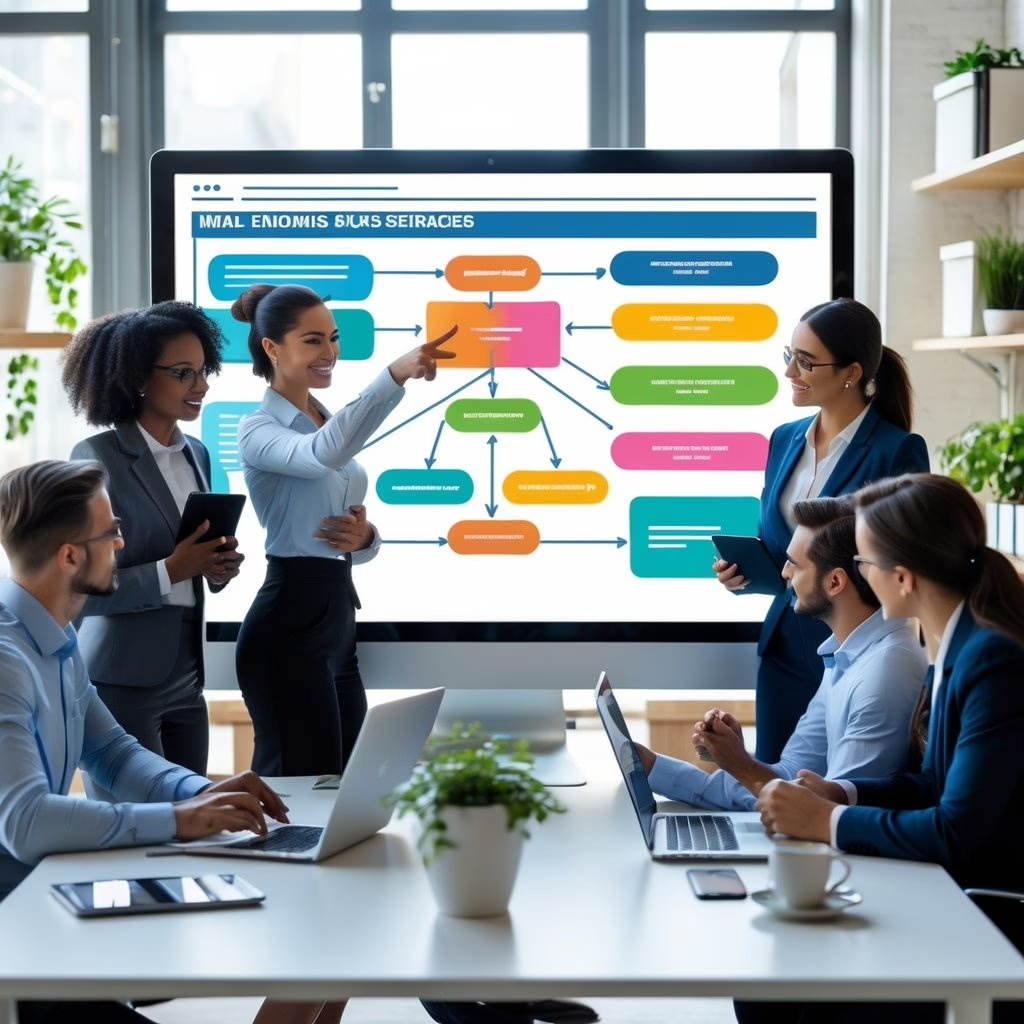
A well-designed welcome email sequence sets expectations and introduces your value. It supports your brand’s credibility from the first interaction.
The onboarding stage helps new clients use your services efficiently. Effective onboarding strategies can turn interest into confidence.
When engagement fades, a thoughtful reengagement campaign can revive interest. Remind contacts why your holistic approach stands out.
Automation gives you a structure to interact consistently and authentically. You save time while staying connected.
With data-driven timing and personalized content, you nurture leads through every phase of their journey. Clear calls to action keep momentum steady and support growth.
Key Takeaways
- Automated sequences create consistent engagement from first contact to long-term loyalty.
- Personalized welcome, onboarding, and reengagement flows increase conversions.
- A clear strategy ensures every email supports holistic business growth.
Designing Effective Welcome Sequences
You set the tone for your relationship with new subscribers through your introduction and communication. A well-structured welcome sequence blends purpose, message clarity, and thoughtful implementation.
This approach builds trust, explains your offerings, and guides the next step naturally.
Goals Of A Welcome Sequence
Your welcome sequence should build familiarity and confidence. It helps subscribers understand what to expect and reinforces your brand’s professionalism.
Mapping out distinct goals creates focus. It helps you avoid sending generic messages.
Common objectives include:
- Establishing trust between your business and the subscriber.
- Educating subscribers about how your services solve specific problems.
- Encouraging engagement through clear calls to action like scheduling a consultation or downloading resources.
- Segmenting contacts based on interests for more relevant follow-ups.
Constant Contact’s guide on automated welcome series shows that automated sequences improve engagement when they clarify value early. Inviting subscribers to take meaningful first actions increases effectiveness.
Tracking metrics like open rate and time-to-first response gives you data to fine-tune these goals.
Key Components Of A Welcome Sequence
A strong sequence usually includes 3–5 structured emails. These emails move new subscribers from awareness to trust.
The first message should confirm their signup and set expectations for future content. Subsequent messages can introduce your key services, share short success stories, and guide subscribers toward small, low-friction actions.
You can outline your sequence in a simple table:
| Purpose | Key Message | Example CTA | |
|---|---|---|---|
| 1 | Confirm subscription | Welcome and orientation | “Visit your dashboard” |
| 2 | Showcase benefits | How you add value | “Read client success story” |
| 3 | Build connection | Personal story or values | “Meet the team” |
| 4 | Encourage action | Service overview or offer | “Book a consultation” |
InboxArmy explains that personalization based on subscriber data—like name, interests, or signup source—makes your message more relevant. This strengthens engagement.
Crafting Engaging Welcome Emails
Write each email with a clear subject line, concise body, and single call to action. Begin with a genuine greeting and express appreciation for their interest.
Avoid filler or long introductions. Focus on the specific value you provide.
Vary your tone based on the message purpose. Use instructional language for onboarding and an informative but approachable style for educational messages.
Add personal touches such as recommending relevant blog posts or resources from your website. Empathy and clarity increase conversion, as shown in welcome email best practices.
Maintain a consistent design, predictable timing, and straightforward message hierarchy. This ensures your welcome sequence feels professional and trustworthy.
Creating Onboarding Sequences For New Clients
Automated onboarding sequences guide new clients through their first interactions with your service. They set expectations and build trust.
A structured approach helps you communicate value early. This increases long-term engagement.
Objectives Of An Onboarding Sequence
An onboarding sequence moves your new client from awareness to readiness. Use it to establish your service’s value and help clients take their first key actions, such as scheduling a consultation or logging into their account.
These early steps reduce uncertainty. They also strengthen commitment.
Set specific goals such as increasing product adoption, lowering support requests, or improving time-to-first action. Effective onboarding sequences provide targeted information at the right moment.
Track metrics like completion rate of first tasks, feature activation, or client satisfaction scores. This data shows how well the sequence works.
Essential Elements Of An Onboarding Sequence
A strong sequence balances automation with personal relevance. Each message must have a defined purpose and a single call to action (CTA).
Start with a welcome email that reaffirms what the client will gain. Introduce clear next steps.
Follow up with educational emails that explain service components, timelines, or usage instructions. A well-designed automated welcome series reinforces your brand message.
Add client support links or FAQs for quick problem resolution.
Use the table below to organize key elements for clarity:
| Element | Purpose | Timing |
|---|---|---|
| Welcome Email | Acknowledge signup and confirm expectations | Immediately after sign-up |
| Instructional Email | Teach core features or service process | 1–2 days later |
| Check-In Email | Measure satisfaction and gather feedback | End of first week |
Tone, timing, and personalization determine effectiveness. Small touches—like using the client’s name or tailored recommendations—make each email feel intentional.
Steps To Implement An Onboarding Sequence
Map the client journey from initial sign-up to full engagement. Identify moments where communication supports progress and prevents confusion.
Plan your sequence with 4–6 automated emails sent at defined intervals. Use workflow automation tools like CRM-integrated email systems to trigger each step based on client behavior.
FluentCRM describes creating an onboarding email sequence that adjusts timing based on subscriber activity. Segment by service type or purchase tier to ensure relevance.
Test variations in subject lines, visuals, and CTAs through A/B testing. Analyze engagement rates and refine your approach.
Document each stage and update your sequences as your service evolves. This keeps your emails aligned with client expectations.
Developing Reengagement Sequences
Reengagement sequences help you reconnect with inactive clients. They identify why clients drifted and offer relevant reasons to return.
Address root causes like message fatigue, shifting needs, or timing issues. Design messages that spark renewed interest through useful reminders, incentives, and updated value propositions.
Purpose Of A Reengagement Sequence
A reengagement sequence aims to revive interest among inactive subscribers or clients. It identifies lapse patterns and applies targeted offers or updates to reestablish contact.
These emails remind clients of your service’s value. They also give clients easy ways to reconnect.
For example, a holistic wellness provider might showcase refreshed programs or client success stories tailored to the subscriber’s original goals.
Automated reengagement flows, as highlighted in 5 essential email sequences, let you engage dormant users efficiently.
Common KPIs for these sequences include:
| Metric | Objective | Typical Target |
|---|---|---|
| Open rate | Indicates renewed interest | 15–25% |
| Click rate | Measures engagement strength | 3–8% |
| Conversion rate | Tracks reactivation success | 2–5% |
Common Reasons For Client Disengagement
Clients often lose engagement due to too many irrelevant messages, outdated content, or misaligned timing. Long gaps in communication can also cause clients to forget your service’s benefits.
For holistic professionals, changing client priorities play a major role. A subscriber who started with interest in stress reduction may now focus on physical fitness, so you should update your messaging.
Overwhelming inbox noise can drown out even valuable content.
A holistic approach to automated email sequences shows that segmenting by behavior reduces churn. Tracking user interactions with wellness resources—downloads, session sign-ups, or survey answers—helps you identify disengagement early and adjust messaging before clients fully drop off.
Strategies For Crafting Reengagement Emails
Effective reengagement emails combine personalization, timing, and incentives. Start with a clear subject line that acknowledges inactivity, such as “We’ve missed you” or “Ready to refocus your goals?”
Maintain an encouraging tone that highlights new or improved offerings. Use short content blocks to quickly restate value and guide readers to act.
For a wellness brand, share fresh service bundles, a limited consultation slot, or educational content relevant to the client’s interests. Tools like those in examples of great nurture sequences can inspire automated personalization templates.
Keep your call-to-action visible and specific. Examples include “Reactivate your plan,” “Update your preferences,” or “Book your next session.”
Test different subject lines and timing intervals to refine results.
Best Practices For Holistic Email Marketing
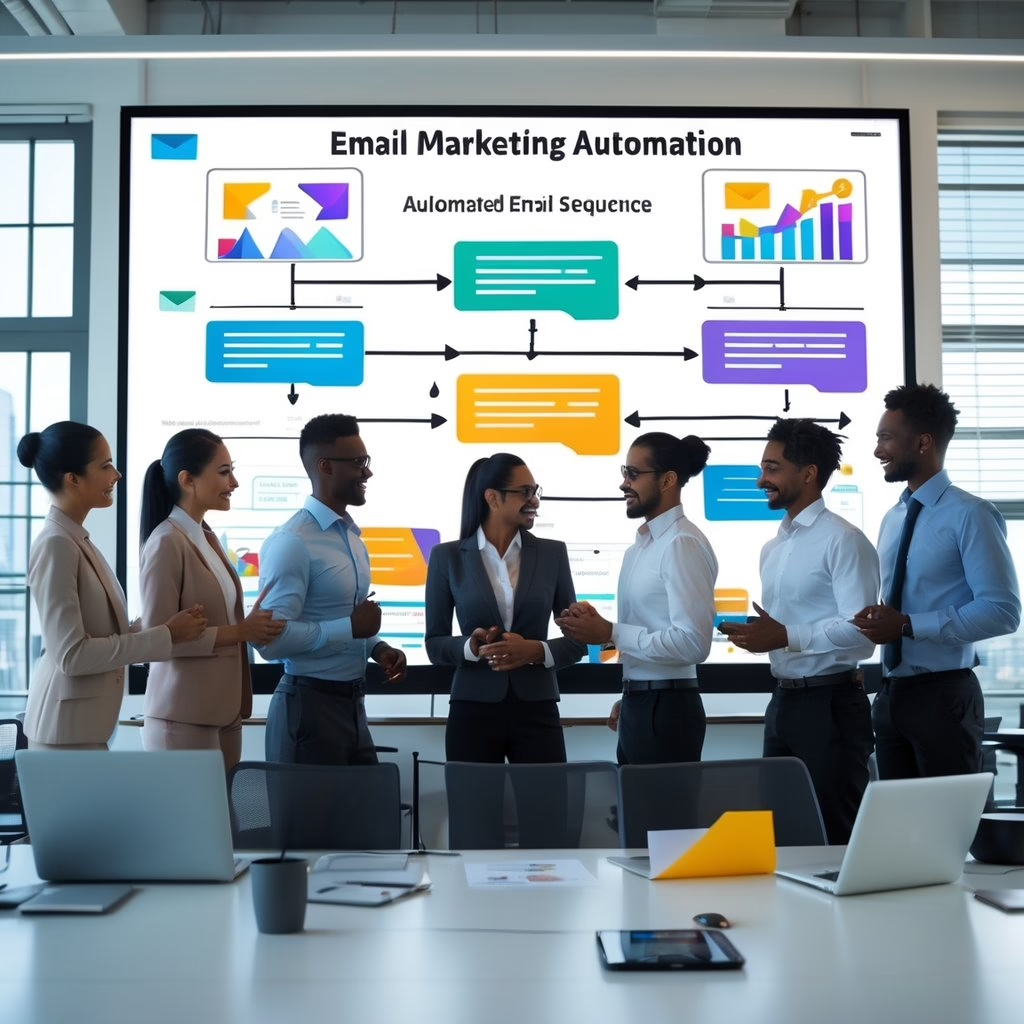
Building effective automated email sequences for holistic services requires a balanced focus on relevance and timing. Data-driven tuning improves performance.
Create messages that connect authentically and deliver value at the right moment. Evolve your approach based on measurable results.
Personalization Techniques
Personalization goes beyond adding a first name to the subject line. Segment your audience by service interest, client journey stage, or engagement level.
A nurture email sequence works best when each message feels tailored to the recipient’s needs.
Use dynamic content blocks to show different recommendations or educational materials based on prior interactions. Automate this process through tags and conditional logic.
Craft subject lines and opening lines that reflect a client’s goals, such as stress reduction or improved lifestyle balance. Trigger follow-ups based on behavior—like booking a consultation or clicking a resources link.
Personalized flows boost trust and make your holistic brand appear attentive and competent. You achieve this without manual effort each time.
Timing And Frequency Of Emails
Timing plays a major role in engagement. Automated workflows can streamline communication and boost conversions when they deliver information precisely when a subscriber is ready for it.
Send the first message within minutes of signup for immediate acknowledgment. Follow up with spaced intervals that match your desired nurturing pace.
A clear rhythm helps subscribers anticipate communication without feeling overwhelmed. For holistic services, a gentler cadence works best—two to three days between emails in a welcome series, then weekly for ongoing education.
Keep promotional messages less frequent but connect them clearly to client wellness needs.
Consider using a calendar or table to outline timing consistency:
| Sequence Type | Typical Interval | Purpose |
|---|---|---|
| Welcome | Every 2–3 days | Introduce brand values and services |
| Onboarding | Weekly | Support clients with practical steps |
| Reengagement | Every 10–14 days | Rebuild interest with new offers |
Measuring Success And Making Adjustments
Measurable results show how well your emails perform. Tools such as open rate tracking, click-through monitoring, and client conversion metrics reveal where your email flow works best.
According to Snov.io’s guide on email automation, data should guide every workflow refinement.
Track responses by segment to learn which services attract more engagement. Split-test subject lines, send times, or offers to find what triggers the most positive actions.
A small change in email tone or length can shift results significantly. Set clear KPIs like new bookings, workshop registrations, or content downloads.
Document patterns and pivot where interest declines. Evaluate trends monthly to maintain performance and adapt messaging to changing audience behavior.
Frequently Asked Questions

Automated email sequences help you guide clients from initial contact through long-term engagement. You can increase conversions by structuring welcome, onboarding, and reengagement flows that match each recipient’s goals, interests, and stage in their holistic wellness journey.
What are the best practices for creating an effective welcome email sequence for users seeking holistic services?
Begin with a friendly introduction that communicates your values and sets expectations. A structured welcome email series works best when it provides clear next steps, useful resources, and an overview of what subscribers will gain.
Keep emails concise and visually clean. Segment content to align with different holistic interests—such as mindfulness, nutrition, or bodywork—so each subscriber receives relevant information.
How can onboarding emails be tailored to increase client engagement with holistic health platforms?
Show clients how to use your services effectively. Tutorials, guided setup instructions, or personalized recommendations can reduce uncertainty and motivate regular use.
Follow the insights from welcome email best practices by combining empathy with strategy. Encourage small actions like completing a profile, booking a first session, or setting a wellness goal.
What strategies can be employed to reengage clients who have not interacted with a holistic service in a while?
Send automated reengagement emails that acknowledge the break and offer value for returning. Use gentle language and a meaningful offer, such as a free online class or consultation reminder.
A well-designed automated email sequence can track user inactivity and trigger targeted messages to restore engagement at the right moment.
Can automated email sequences improve client retention rates for holistic wellness programs, and how?
Consistent communication nurtures trust. When clients receive educational and supportive messages, they stay connected and are more likely to continue their programs.
According to Constant Contact’s guide to automated welcome series, automation enhances engagement by reducing time-to-action and reinforcing your value from the first interaction.
What content should be included in a reengagement email to reignite interest in holistic services?
Focus on benefits rather than promotions. Share practical wellness tips, recent program updates, or client stories that reflect the positive effects of holistic practices.
Offer a small incentive such as a limited-time meditation download or workshop invitation. Keep messaging warm, brief, and action-oriented to encourage immediate participation.
How often should emails be sent in an automated sequence to nurture leads without overwhelming them?
Send your welcome and onboarding emails close together. Ideally, wait 2–3 days between these messages to maintain interest.
For long-term nurturing, space messages every one to two weeks. Adjust this timing based on client response rates.
Review email sequence examples and test different frequencies. Use engagement data to guide your adjustments.