
Personalizing emails for wellness clients starts with understanding their unique needs at each stage of their journey. Whether someone just discovered your practice or has been working with you for months, targeted communication builds trust and keeps them engaged.
Effective segmentation lets you deliver personalized, relevant messages that meet clients where they are and guide them toward continued growth.

You create stronger relationships when your emails reflect client goals and behaviors. By using strategic segmentation techniques, such as those outlined in advanced wellness marketing strategies, you can organize your list by wellness stage, motivation level, or interests.
This approach ensures your message feels timely, not generic. Personalized communication goes beyond promotions—it demonstrates genuine understanding.
When you align your content and tone with each client’s stage, you show that you recognize their individual progress and challenges. That insight transforms your emails from routine updates into meaningful, supportive interactions.
Key Takeaways
- Segment your audience based on their stage in the wellness journey.
- Tailor tone, content, and frequency to match client needs.
- Use data-driven personalization to strengthen connection and engagement.
Understanding Client Segmentation in Wellness Practices

Client segmentation helps you group your audience based on shared characteristics so you can tailor your communication and services effectively. In wellness practices, it ensures that your messaging aligns with clients’ individual goals, habits, and levels of engagement.
Segmentation may include demographic factors like age or location, and psychographic factors such as motivation, lifestyle, or wellness priorities. According to research on motivation-based segmentation of wellness hotel customers, understanding client motivations reveals distinct groups that respond differently to offers and interventions.
A structured segmentation approach helps you move beyond general messaging. For instance, you may share mindful eating strategies with clients focused on nutrition while sending stress reduction exercises to those exploring emotional balance.
This idea is supported by segmentation practices for holistic practitioners.
Use these common segmentation types for your emails:
| Type | Basis of Segmentation | Example |
|---|---|---|
| Demographic | Age, gender, location | Send local workshop invites |
| Behavioral | Actions, frequency | Reward regular class participants |
| Psychographic | Interests, motivations | Share mindset-focused content |
| Stage-based | Health or wellness stage | Provide tailored progression plans |
Effective segmentation starts with analyzing your data correctly. As explained in personalized email strategies for wellness professionals, identifying patterns in client behaviors allows you to adjust tone, timing, and content for stronger engagement.
The Importance Of Email Segmentation
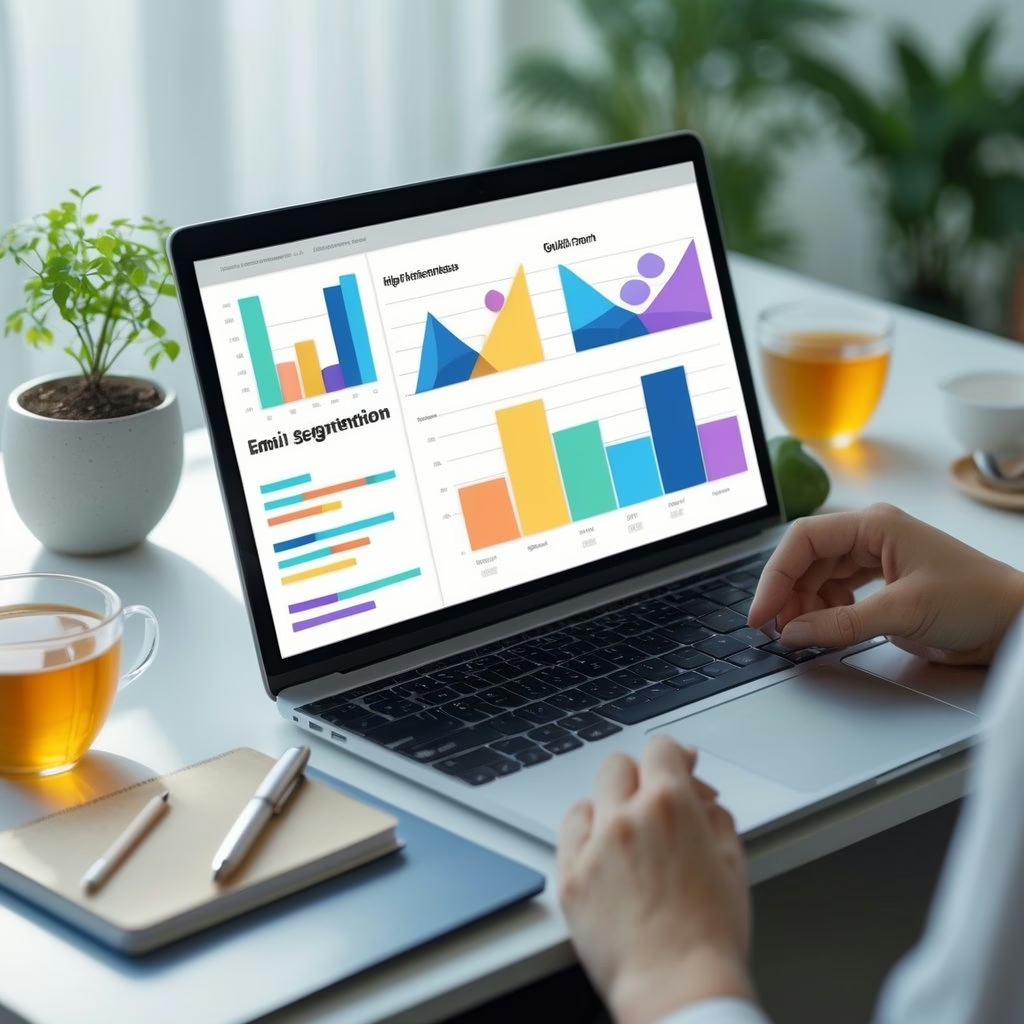
Email segmentation helps you send messages that address your clients’ specific goals, habits, and needs. Using relevant data about their stage in the wellness journey allows you to deliver communication that strengthens trust and improves engagement across every interaction.
Benefits Of Segmentation For Client Engagement
Segmenting your list enables you to create messages that connect directly with where each client stands in their personal wellness process. Health coaches can tailor email content around individual milestones like stress management, nutrition habits, or recovery improvement.
This personalization increases relevance, which often leads to higher open and conversion rates. By organizing subscribers according to criteria such as demographics, health interests, or engagement level, you can design campaigns that feel individual, not generic.
According to Wellness Professionals: Personalize Emails for Client Engagement, targeting emails around behavioral patterns and geographic regions enhances connection and retention.
Use small, well-defined segments instead of broad categories.
Examples include:
- First-time clients who need educational tips
- Ongoing participants who expect progress updates
- Lapsed clients who may respond to limited offers
This structured approach ensures your communication stays relevant and timely while maintaining a professional tone that fits your brand identity.
Common Mistakes In Email Segmentation
A common mistake is relying on overly broad or outdated list categories. If you fail to maintain accurate subscriber data, your messages lose precision.
Clients receiving irrelevant content may disengage or unsubscribe. Avoid segmenting only by demographics.
Incorporate behavioral data—such as email interaction frequency, purchase history, or expressed goals—to improve quality. As noted in Email List Segmentation: 15 Expert Strategies & Examples, behavioral insights help refine your targeting for better response rates.
Problems also arise when you create too many segments without clear messaging differences. Excessive fragmentation can overcomplicate tracking and analysis.
To prevent confusion, document your segmentation rules and ensure each group serves a measurable purpose. Maintain balance between personalization and manageability.
Test and adjust your strategy as new data becomes available to keep your campaigns accurate and effective.
Identifying Stages In The Client Journey

You can strengthen client relationships and improve engagement when you identify specific stages in your clients’ journey. Each stage presents unique expectations, communication needs, and opportunities to tailor your email content and service approach.
Inquiry Stage
At this point, your potential clients are exploring your services and determining whether your approach aligns with their wellness goals. Focus on providing clear, factual information and establishing credibility.
Respond quickly to inquiries and use personalized details, such as name or issue type, to show attentiveness. Create introductory emails that answer common questions, outline your methods, and include testimonials or resources that build trust.
Use segmentation to group inquiry-stage contacts based on interests or entry points, as suggested in Wellness Professionals: Personalize Emails for Client Engagement.
Including a short survey or downloadable guide helps you gauge their interests more precisely. This insight allows you to segment these leads effectively for future follow-ups.
Onboarding Stage
During onboarding, new clients have committed to working with you and expect clear guidance. Focus your communication on building confidence and setting expectations.
Send step-by-step welcome messages that explain session structures, payment details, and what clients should prepare before their first meeting. Provide a concise orientation checklist or short video overview for easy reference.
Data-based segmentation from the client journey mapping framework can help tailor onboarding emails to match the service type—such as nutrition coaching versus stress management.
Use automation to schedule timely reminders that reduce uncertainty and reinforce accountability. A consistent tone and clear information support a seamless transition from new client to engaged participant.
Active Client Stage
This phase involves clients who regularly engage with your wellness programs. Nurture motivation and highlight progress in your emails.
Show that you understand their evolving goals by using tools such as behavioral segmentation and dynamic content, explained further in Segmentation Strategies for Every Stage of the Customer Journey.
Share tailored updates, progress tracking options, or personalized recommendations based on their session history. Recognize milestones, such as completing a certain number of sessions, to reinforce success.
Encourage ongoing communication through feedback forms or quick polls. This helps you adjust your support without relying solely on in-person conversations.
Retention And Loyalty Stage
Clients in this stage have completed initial goals and might be at risk of disengagement. Shift your focus toward maintaining interest and demonstrating continued value.
Segment your loyal clients by activity level or interest area to deliver relevant programs and maintain engagement. Offer exclusive incentives, such as early access to workshops or referral programs.
Reinforce their progress using success summaries or anniversary messages. These periodic emails remind them of their accomplishments and your continued support.
Using long-term journey systems, as outlined in the seven stages of a client’s journey, ensures your communication remains structured and intentional.
Connecting consistently maintains trust, helping satisfied clients become advocates for your wellness practice.
Creating Effective Email Segments
Target your messages by understanding your clients’ characteristics, actions, and motivations. When you use clear data and consistent criteria, your email list becomes a practical tool for sending relevant information that supports client engagement and retention.
Demographic Segmentation
Demographic segmentation divides your contact list based on measurable factors such as age, gender, income, education, or location. This method helps you deliver content that aligns with practical needs and life situations.
For example, wellness practitioners can send different guidance to young professionals than to retirees seeking stress management. Organize demographic data using a simple table:
| Data Type | Example | Application |
|---|---|---|
| Age | 20–30 years | Promote beginner fitness routines |
| Gender | Female | Share resources on hormone health |
| Location | Urban areas | Offer nearby event updates |
You can collect this information through signup forms or client profiles in practice management systems. According to Brevo’s email segmentation guide, demographic data is often the easiest starting point for targeted communication.
Behavioral Segmentation
Behavioral segmentation focuses on client actions, such as email interactions, appointment attendance, or program enrollment. These insights reveal real engagement rather than assumptions.
Clients who open emails frequently may prefer regular updates. Those who rarely interact might respond better to concise, infrequent messages.
Track engagement metrics like open rates, link clicks, and forms completed. SmartReach’s 2025 segmentation guide explains that segmenting by behavior helps increase click‑through rates by aligning content with user activity.
You can also divide clients based on purchase history or health program participation. For instance, return clients who’ve completed an initial wellness plan could receive advanced workshops or maintenance schedules, while new clients get introductory guidance.
Psychographic Segmentation
Psychographic segmentation examines values, lifestyle choices, personality traits, and motivations that shape health decisions. This approach goes beyond surface data to reveal why clients engage with your practice.
You might segment clients who value holistic healing separately from those who focus on measurable performance results. Use surveys or consultations to learn about clients’ attitudes toward well‑being.
According to Wellbeing Junction’s article for wellness professionals, understanding personal goals helps you align communication with how clients define wellness success.
Share mindfulness resources with reflective clients and performance metrics with goal‑driven ones. Adapting your messages to distinct mindsets creates a more relevant experience and encourages continued involvement in your programs.
Crafting Personalized Email Content For Each Stage
Effective email personalization allows you to send relevant, timely messages that match a client’s progress and needs. By aligning your content with each client stage, you strengthen trust and increase engagement.
Inquiry Stage Content And Messaging
At the inquiry stage, potential clients are exploring options and seeking clarity about your services. Your goal is to educate and reassure without applying heavy sales pressure.
Focus on providing valuable information that helps prospects make informed decisions. Short, well-organized welcome messages introducing your wellness approach work best.
You can share a brief “About You” section, answers to common questions, and a link to your blog or resources for further learning. According to Mailchimp’s guide on personalized content, tailoring early outreach helps your message resonate more deeply.
Use personalized subject lines such as “Welcome, Sarah – Here’s how we can help you manage stress.” End with an open invitation to learn more rather than an immediate call to book.
Prospects respond positively when they sense personalization and empathy.
Onboarding Stage Content And Messaging
When a client joins your program, onboarding emails should set structure and clear expectations. Create a short sequence of messages that includes:
| Email Type | Purpose | Example Content |
|---|---|---|
| Welcome Email | Confirm enrollment and show appreciation | “You’re in! Let’s get started with your personalized plan.” |
| Resource Email | Provide next steps and materials | “Here’s your first wellness routine and scheduling link.” |
| Support Email | Reassure with accessibility | “Have questions? You can contact us any time.” |
You can include personalized setup guides, app logins, or forms for tracking progress. Data from Omnisend’s segmentation strategies overview shows that sending targeted information during onboarding increases activation rates and reduces early drop-offs.
End each email with clear action steps—use brief bullet lists. Keep your tone supportive and avoid being overly promotional.
Active Client Stage Content And Messaging
Active clients already use your services. Content should reinforce participation and address real-time progress.
Send behavior-based messages that match their activity level or participation frequency. For example, if a client logs mindfulness sessions regularly, send tips to help them stay consistent.
The Wellbeing Junction article explains that message personalization builds stronger emotional connections between wellness professionals and clients.
Include progress updates, milestones, and reminders. Suggest complementary programs such as nutrition coaching or mobility classes.
Keep your tone direct and encouraging. Use short paragraphs and bolded action steps to help clients process information and act quickly.
Retention And Loyalty Stage Content And Messaging
Retention relies on appreciation and continued relevance. Use this stage to strengthen loyalty through recognition and ongoing value.
Thank long-term clients with milestone badges or exclusive offers. Share personalized success summaries that highlight their effort and outcomes.
Higher Logic’s personalization ideas show that combining segmentation and personalization deepens audience engagement.
Create a quarterly “Wellness Progress Digest” to recap achievements and introduce new service opportunities. Invite loyal clients to provide testimonials or join referral programs.
Keep messages concise, warm, and focused on growth. Show awareness of each client’s journey to reinforce their trust and investment in your expertise.
Matching Email Tone And Frequency To Client Stages
Segmentation helps you tailor what you say, how often you say it, and how you say it. Recognizing the client’s progress—from initial inquiry to long-term maintenance—lets you align tone, pacing, and calls-to-action with the right level of engagement and trust.
Appropriate Email Tone For Each Stage
Your tone should match the client’s readiness and familiarity with your services. For new subscribers, use a warm and welcoming tone. Focus on clarity, gentle encouragement, and helpful explanations rather than promotional language.
Clients in the active or booking stage respond better to direct and confident communication. Emphasize value, expected outcomes, and trust in your expertise. Keep your tone professional but conversational to remain approachable.
For long-term clients, use a supportive and appreciative tone. Acknowledge their ongoing efforts and progress. Use inclusive language such as “together” or “continue your progress” to reinforce collaboration.
Optimal Email Frequency For Different Stages
Match email frequency to your clients’ involvement and comfort level. In early stages, such as when a contact joins your list, reach out once or twice per week to build familiarity without overwhelming them. Share educational tips or success stories to keep interest high.
As clients engage more, moderate your scheduling. Send updates, reminders, or event invitations every one to two weeks. Insights from behavioral segmentation, like those found in Bird’s guide to email audience segmentation, recommend matching timing to engagement signals such as open rates and clicks.
For maintenance or long-term clients, reduce frequency to monthly or quarterly check-ins. Offer seasonal updates, program renewals, or wellness progress summaries. This keeps communication relevant while respecting their inbox space.
Effective Calls-To-Action For Each Stage
Calls-to-action (CTAs) should guide clients toward logical next steps. For the awareness stage, use low-barrier CTAs such as “Learn more” or “Take our short wellness quiz.” This encourages curiosity without pressure.
In the engagement stage, use action-driven CTAs like “Book your consultation” or “Start your personalized plan.” Reinforce urgency only when appropriate and align it with clear value. The Emarsys strategies for smarter segmentation show how dynamic targeting increases conversions.
Clients who trust your services benefit from relational CTAs. Examples include “Refer a friend,” “Share your success story,” or “Join our ongoing wellness group.” These options build community and deepen long-term engagement.
Actionable Frameworks For Email Personalization
Effective email personalization depends on how you organize your contact data. Use segmentation tools and real-world insights to refine your campaigns.
Focus on reliable systems, measurable processes, and practical examples to keep every message relevant to the individual client.
Tools And Software For Segmentation
Email marketing platforms help you segment your audience efficiently. Tools like HubSpot, ActiveCampaign, or Klaviyo let you tag subscribers by health goals, engagement level, or location. This setup supports targeted workflows and simplifies automation.
Customer Data Platforms (CDPs) combine behavioral, demographic, and transactional data into one profile. Software like Segment and Bloomreach’s email personalization tools process large sets of client information and automatically group similar users.
To stay compliant and accurate, use platforms that integrate form responses, CRM tags, and campaign analytics. A short table can clarify essential tool types:
| Tool Type | Main Function | Example |
|---|---|---|
| CRM | Tracks customer details | HubSpot |
| CDP | Merges behavior and demographic data | Segment |
| Automation Platform | Sends tailored campaigns | Klaviyo |
Select the right combination to deliver consistent, personalized communication without heavy manual work.
Best Practices For Implementing Segmentation
Segmentation works best when you use measurable client data. Start by grouping clients based on wellness goals, such as weight management, stress reduction, or fitness conditioning. Match email topics and offers with each segment’s immediate needs.
A guide on advanced segmentation for wellness marketing shows how details like engagement frequency or purchasing patterns allow more refined targeting. Keep groups flexible and revisit your criteria every quarter to reflect seasonal changes and client progress.
Track click-through rates, open rates, and conversions for each segment. Use A/B testing to see which tone, design, or call to action works best. Document your results within your automation tool so future campaigns build on real data.
Case Studies And Examples
Wellness practitioners often improve engagement with audience-specific tactics. One nutrition coach used behavior-based segmentation to send tailored meal plans only to active clients, raising open rates by 25%.
Another example from Wellbeing Junction’s guide for wellness professionals describes dividing an email list by location and health intent. This allowed practitioners to promote local workshops and virtual support sessions effectively.
A spa chain used automated follow-ups triggered by appointment frequency. Inactive clients received discounted reactivation offers, while loyal clients got self-care routine updates. These cases show that small segmentation adjustments can improve engagement and loyalty over time.
Conclusion
Personalized email marketing depends on how well you understand your clients’ wellness goals and challenges. When you group clients by health focus, motivation, or location, your messages become more relevant and timely.
Use segmentation and personalization together to increase engagement. For example, combine behavior-based tags with demographic filters to send meaningful wellness updates. Research from Wellbeing Junction shows that customized communication builds stronger client connections.
Try mapping your messages to the client’s stage in their wellness journey. The following table gives a quick framework:
| Client Stage | Email Focus | Example Message Type |
|---|---|---|
| New Signup | Welcome and expectation setting | Intro guide or first-session tips |
| Active Participant | Motivation and progress check-ins | Success stories or goal tracking |
| Returning or Lapsed Client | Re-engagement and support reminders | Gentle invitations or quick surveys |
Your approach should evolve as clients’ goals shift. According to SmartReach, refining your segmentation keeps engagement strong and response rates steady.
Test your strategies, track what clients respond to, and update your audience groups as new patterns appear. Consistency builds trust and makes each message feel more personal and useful.
Frequently Asked Questions
Successful wellness email segmentation relies on knowing your clients’ unique stages of engagement. Tailor messaging to meet their evolving needs and use tools that make personalization simple and measurable.
You can strengthen client relationships by matching your communication style, content, and frequency with where each person is in their journey toward better well-being.
What are the key stages of client engagement that wellness practitioners should address through personalized emails?
Organize your clients into stages such as awareness, onboarding, active participation, and maintenance. In the awareness stage, clients may need educational content about your services or wellness principles.
During maintenance, they respond better to progress tracking, ongoing motivation, and advanced wellness resources. Different engagement stages require specific tones, goals, and support to foster long-term trust and involvement.
How can wellness practitioners effectively segment their email lists to cater to different client needs?
Segment your list by behavior, demographics, and service interest to create more relevant messages. Separate new leads from loyal clients, or group subscribers by the specific wellness programs they’ve joined.
Email list segmentation strategies recommend categorizing contacts based on how they interact with your emails, website, or purchases. This ensures each client receives guidance and content that matches their goals.
What are the best practices for creating relevant content for each segment in a wellness email marketing campaign?
Share practical advice, use client-centered language, and offer targeted calls to action. For one segment, send mindfulness exercises; for another, highlight nutrition tips or new workshops.
Advanced email segmentation for wellness marketing suggests aligning content with the recipient’s priorities so messages feel individualized. Tracking engagement helps refine topics over time.
In what ways can automation be leveraged to enhance the personalization of wellness emails?
Use automation to send timely responses, nurture leads, and deliver tailored wellness guidance automatically. Automated workflows can send welcome sequences to new clients and reengagement messages to inactive ones.
Automation also maintains consistent tone and timing, helping clients feel supported throughout their relationship with your practice.
Can personalizing emails based on client journey stages increase client retention for wellness practitioners? How?
Yes, personalization often improves retention because clients receive communication that acknowledges their progress. When messages evolve as clients grow, they see your support as responsive and meaningful.
Segmentation practices for holistic practitioners show that clients who get content matched to their wellness stage are more likely to engage and stay connected to your services.
What metrics should be tracked to measure the success of a segmented email strategy for wellness services?
Track open rates, click-through rates, and conversions by segment. Watch for changes in unsubscribe rates and engagement time to see if your personalization increases satisfaction.
Monitor retention and reactivation metrics. Identify which content types and timing patterns most effectively strengthen client loyalty.