
The landscape of healthcare is evolving rapidly. Integrative approaches are becoming increasingly mainstream.
As we move through 2025, practitioners are blending conventional medicine with holistic practices. This shift is reshaping how care is delivered and how patients experience wellness.
Integrative healthcare bridges traditional medicine with natural approaches. Practitioners who adapt to these changes will find new opportunities.

This shift marks a fundamental change in healthcare delivery. Patients now seek personalized care and natural alternatives to conventional treatments.
Staying ahead of these developments is essential for your practice’s longevity. Holistic health now blends ancient wisdom with modern innovations.
Your ability to integrate emerging approaches will determine your success. Technology, personalized wellness plans, and collaborative care models are necessary components of a thriving holistic practice.
Key Takeaways
-
The fusion of conventional and alternative therapies creates a comprehensive approach to healthcare that addresses physical, mental, emotional, and spiritual wellbeing.
-
Personalized wellness plans and technology integration are essential for meeting evolving patient expectations.
-
Scientific validation of holistic practices is accelerating the acceptance and integration of complementary approaches within mainstream healthcare systems.
Technology Integration In Integrative Health
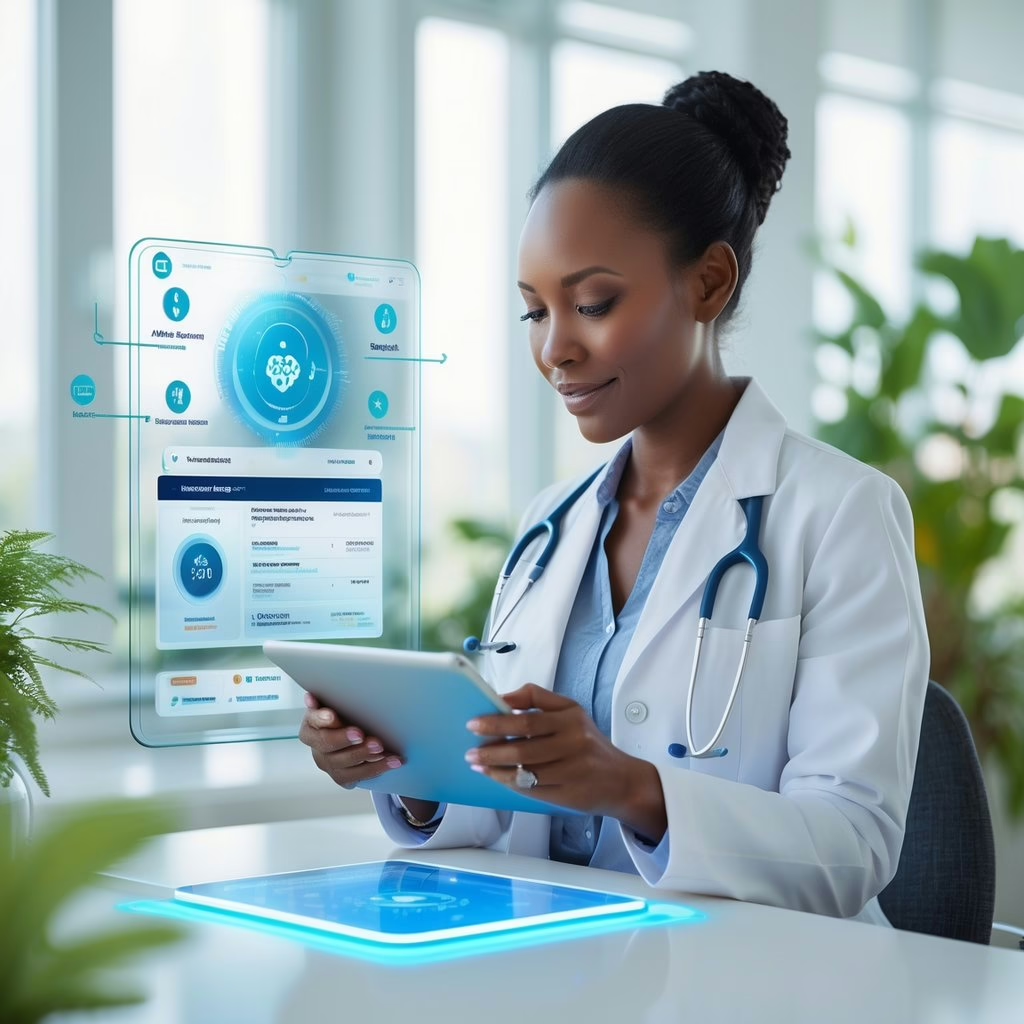
Digital technologies are changing holistic healthcare delivery. Practitioners can now enhance their capabilities and improve patient experiences.
These innovations allow for more personalized treatment approaches. At the same time, they maintain the human connection central to integrative health.
Telemedicine And Virtual Wellness Consultations
Virtual consultations have become a cornerstone of modern holistic healthcare. Practitioners can now reach patients beyond geographical limitations.
Virtual consultations have emerged as essential for delivering care to patients who may lack access to integrative services. Your practice can benefit from secure video platforms designed for healthcare.
These platforms protect patient confidentiality and offer features like:
- Digital intake forms and health history collection
- Secure messaging for follow-up questions
- Screen sharing for educational materials
- Integration with electronic health records
Many patients appreciate the convenience of accessing care from home. This is especially true for follow-up appointments or lifestyle coaching sessions.
You can use these platforms to offer group wellness sessions. This expands your service offerings while maintaining personalized attention.
Wearable Health Devices And Remote Monitoring
Wearable technology provides new insights into patients’ daily health patterns. This supports the whole-person approach fundamental to integrative medicine practices.
These devices collect real-time data to inform your treatment recommendations. Patients can better understand their bodies with this information.
Key applications in integrative health include:
| Device Type | Applications in Holistic Care |
|---|---|
| Fitness trackers | Activity levels, sleep quality, heart rate variability |
| Biosensors | Stress levels, meditation effectiveness, breathing patterns |
| Smart scales | Body composition changes, weight management |
When you use this data in your practice, you can identify patterns and triggers affecting patients’ conditions. Remote monitoring lets you track progress between appointments and adjust treatment plans as needed.
AI And Data Analytics In Personalized Care
Artificial intelligence and data analytics are transforming personalized care in integrative health. These technologies help you find patterns and correlations in complex health data.
Integrative platforms now offer powerful tools that can:
- Analyze multiple health parameters at once
- Suggest personalized treatment protocols based on patient profiles
- Predict potential health issues before symptoms appear
- Identify optimal timing for specific interventions
You can use these insights to create individualized treatment plans that address root causes. For example, AI systems can analyze genetic data, lifestyle factors, and biomarkers to recommend specific supplements, dietary changes, or mind-body practices.
The future of integrative care depends on collaboration between practitioners and technology. This allows you to maintain the human touch while using advanced analytics.
Personalized Wellness Approaches

Tailoring health strategies to individual needs is now essential in integrative medicine. The one-size-fits-all approach is being replaced by customized protocols.
Practitioners now consider each person’s unique biological, psychological, and lifestyle factors. This leads to more effective care.
Genetic Testing And Personalized Nutrition
Genetic testing has changed how practitioners approach nutrition recommendations. Your genetic makeup influences how your body processes nutrients and responds to specific foods.
DNA-based wellness plans are more sophisticated than ever. Practitioners can now identify genetic variants that affect vitamin absorption, detoxification, and inflammation.
Consider these key applications:
- Nutrigenomics testing: Identifies optimal macronutrient ratios based on your genetics
- Food sensitivity profiling: Determines inflammatory triggers unique to you
- Metabolic efficiency analysis: Customizes eating schedules and fasting protocols
Practitioners use AI-powered platforms to analyze genetic data alongside biomarkers. This creates nutrition plans that adapt as your health changes.
Tailored Supplement Plans
Generic multivitamins are becoming less common. Personalized wellness plans now focus on precise supplement protocols.
Modern approaches include:
Biomarker-Based Formulations:
- Blood analysis to identify nutrient deficiencies
- Hormonal testing to determine precursor needs
- Microbiome analysis for targeted probiotic recommendations
Practitioners work with specialized pharmacies to create custom formulations. These supplements eliminate unnecessary ingredients and optimize dosages for your needs.
Delivery methods are also personalized. Practitioners determine whether you absorb nutrients better through liposomal, sublingual, or traditional formats.
Mind-Body Therapies Based On Individual Needs
Mental and emotional wellness approaches have evolved. Practitioners now tailor therapies to your unique psychological makeup and nervous system patterns.
Integrative health practitioners assess factors like:
- Nervous system type: Sympathetic or parasympathetic dominance
- Trauma response patterns: Your specific stress responses
- Cognitive processing styles: How you interpret and respond to interventions
Biofeedback devices measure your real-time physiological responses during meditation, breathwork, or yoga. Practitioners use this data to identify which techniques help regulate your nervous system.
Virtual reality therapies can address your specific psychological needs. These immersive environments are tailored to your trauma history or anxiety triggers.
Collaborative Care Models
Collaborative care approaches are transforming healthcare delivery. Diverse practitioners now work in teams to address patients’ physical, mental, and spiritual needs.
These models emphasize coordination and respect between conventional and complementary providers. Practitioners benefit from working together to deliver comprehensive care.
Interdisciplinary Teams And Shared Decision-Making
Interdisciplinary teams create opportunities for shared learning between physicians and allied health practitioners. These teams often include primary care providers, mental health specialists, nutritionists, acupuncturists, and other holistic practitioners.
Effective collaboration requires clear communication and mutual respect. You’ll need to present your therapeutic approaches in language accessible to conventional providers.
The Collaborative Care Model (CoCM) is gaining traction, especially in mental health integration. This approach uses a structured team including care managers and psychiatric consultants.
Data tracking and outcome measurements are essential for successful teams. Shared electronic records systems can accommodate both conventional metrics and holistic assessments.
Integrative Clinics And Wellness Centers
Integrative facilities are expanding nationwide. These centers offer comprehensive services under one roof.
Patients benefit from seamless access to diverse modalities. They no longer need to navigate fragmented care systems.
The design of these spaces often reflects healing principles. Attention to lighting, natural elements, and calming aesthetics supports the therapeutic experience.
Innovations in mental health care increasingly include evidence-based integrative protocols within patient-centered models. This is especially valuable for complex conditions.
Successful clinics offer both individual services and comprehensive programs. Specialized protocols for common conditions can help meet patient needs.
Economic sustainability can be challenging. Explore membership models, bundled service packages, and partnerships with insurers open to integrative approaches.
Partnerships With Conventional Medical Providers
Building relationships with conventional healthcare systems requires showing clinical effectiveness and cost benefits. Hospitals are recognizing that holistic approaches can enhance patient outcomes and reduce costs.
You can start partnerships by offering educational sessions for medical staff or participating in grand rounds. Establish referral protocols with providers open to integrative care.
Formal agreements should define scope of practice, communication, and shared metrics. Be ready to document outcomes using measures respected in conventional settings.
The convergence of holistic and allopathic health trends is a significant opportunity to expand your practice’s reach. Position yourself as a complementary resource.
Primary care settings offer fertile ground for collaboration. Nurse practitioners and physicians increasingly value addressing mental and physical health together.
Evolving Patient Expectations

Patient expectations in integrative health are changing quickly. People now seek comprehensive and personalized wellness solutions.
Today’s health-conscious consumers want more involvement in their care decisions. They expect practitioners to address their whole-person needs.
Demand For Transparency And Education
Modern patients are research-oriented and expect transparency about treatment options, outcomes, and costs. They want to understand not only what you’re recommending, but also why it fits their situation.
You should share evidence-based information supporting your integrative approaches. Patients value clear explanations of complex health concepts.
Educational resources are now an expected part of care. Consider developing:
- Personalized treatment guides
- Digital resources explaining holistic concepts
- Clear breakdowns of supplement interactions
- Visual aids for mind-body techniques
Sharing knowledge builds trust and empowers patients. Informed patients are more likely to follow treatment plans and report higher satisfaction.
Increased Focus On Preventive Care
By 2025, prevention has become a cornerstone of patient expectations. People no longer wait for symptoms before seeking care.
They want proactive strategies to maintain wellness and prevent disease. Patients expect comprehensive preventive approaches that blend traditional wisdom with modern science.
Your practice should emphasize personalized nutritional guidance and stress management protocols. Sleep optimization strategies and targeted supplementation plans are also important.
Movement programs tailored to individual needs are now standard. Patients understand that chronic disease prevention requires consistent lifestyle changes.
They expect you to help them design sustainable wellness routines. Digital health tracking amplifies this trend.
Patients bring their own data to appointments. They expect you to incorporate these insights into their care plans.
Patient-Centered Care And Empowerment
The concept of holistic care now places patients at the center of decision-making. Patients expect to be active participants, not passive recipients.
They value practitioners who listen attentively and respect their health priorities. Adapting treatments to cultural backgrounds and considering financial constraints is important.
Practitioners should accommodate personal preferences. Patients expect personalized approaches that honor their uniqueness.
Tailor your recommendations to each individual’s biochemistry, lifestyle, and health goals. Digital platforms give patients unprecedented access to health information.
Patients arrive with research and specific requests for treatments. Successful practitioners see this empowerment as an opportunity for collaboration.
Scientific Advancements Validating Holistic Practices
Recent scientific research has validated many traditional holistic practices. Modern technology now provides empirical evidence supporting their integration into conventional healthcare.
Research Supporting Herbal And Natural Remedies
Clinical studies have validated numerous herbal remedies used for centuries. For example, research in 2024 showed that curcumin from turmeric offers significant anti-inflammatory properties with fewer side effects than some pharmaceuticals.
Systematic reviews have confirmed the efficacy of herbal supplements like St. John’s Wort for mild to moderate depression. Effectiveness rates are similar to standard antidepressants in certain populations.
Researchers now use advanced techniques to identify active compounds in plant medicines with great precision. This leads to better standardization and dosing recommendations for your practice.
Key Validated Herbal Remedies:
- Ashwagandha for stress and anxiety management
- Echinacea for immune support (with defined protocols)
- Valerian root for sleep disorders
- Milk thistle for liver protection
Evidence-Based Mindfulness And Meditation Techniques
Neuroimaging studies have transformed our understanding of meditation’s effects on the brain. Research shows that regular meditation changes brain regions linked to attention, emotional regulation, and stress response.
You can recommend specific meditation protocols with confidence. Mind-body connections are well documented through functional MRI studies.
Clinical trials have established mindfulness-based stress reduction (MBSR) as an effective intervention for anxiety disorders. Protocols are now standardized for consistent use.
Recent research has identified meditation techniques that produce targeted physiological responses. Breath-focused practices activate the parasympathetic nervous system within minutes, providing immediate stress reduction.
Integrative Approaches In Chronic Disease Management
Integrating holistic approaches with conventional medicine has improved chronic disease management. Studies show that complementary therapies alongside standard treatments can improve outcomes in diabetes, heart disease, and chronic pain.
You can combine nutrition therapy, stress management, and physical activity with pharmaceutical interventions. This approach often reduces medication requirements.
Patient-centered, whole-person approaches yield better long-term adherence to treatment plans. They also improve quality of life.
Chronic pain management has especially benefited from integrative approaches. Combining acupuncture, massage therapy, and cognitive behavioral techniques with conventional pain management reduces opioid dependency and improves functional outcomes.
Practical Insights For Practitioners
Implementing integrative health approaches requires tactical knowledge and strategic planning. The following guidance offers actionable steps to enhance your practice and client communication.
Adapting Services To Current Trends
Personalized health approaches are essential for practice success. Incorporate technology that supports individualized treatment plans and monitoring systems.
Expand your services to include emerging therapies that blend traditional wisdom with modern science. Consider options like virtual reality meditation, biofield therapy, or precision nutrition.
Create hybrid service models that combine in-person and digital delivery. Clients now expect flexibility in how they receive care.
Form strategic partnerships with conventional healthcare providers. Connections with physicians are valuable for referrals.
Continuing Education And Professional Development
Invest in credentials that reflect evidence-based practices. Certifications in areas like functional medicine, mind-body interventions, or nutritional therapy enhance your credibility.
Key Areas for Professional Development:
- Advanced training in integrative modalities
- Business management and entrepreneurship
- Digital health technologies
- Research literacy and evidence evaluation
- Cultural competency in holistic care
Join professional organizations to access cutting-edge research and collaborative opportunities. Allocate time for regular literature review to stay informed about emerging research.
Set up alerts for new studies relevant to your practice focus. Staying updated supports your professional growth.
Strategic Marketing And Patient Communication
Develop clear messaging that explains your unique approach to holistic wellness. Show how you differ from both conventional healthcare and other integrative practitioners.
Create educational content addressing common health concerns from an integrative perspective. This positions you as an authority and provides value to potential clients.
Use data visualization in your communications to illustrate complex health concepts.
| Communication Channel | Best Content Types | Engagement Strategy |
|---|---|---|
| Social Media | Short educational videos, infographics | Weekly wellness tips, Q&A sessions |
| In-depth health articles, case studies | Monthly newsletters, seasonal protocols | |
| Website | Service descriptions, practitioner credentials | Client testimonials, easy scheduling |
Implement transparent pricing models and consider membership options. Clients appreciate clarity about financial investments in their wellness.
Frequently Asked Questions
The integrative health landscape is evolving rapidly. Scientific validation strengthens its position in mainstream healthcare, and practitioners adapt to new research and technology.
What are the emerging trends in integrative health for the next decade?
Integrative healthcare is transforming wellness by bridging traditional medicine with holistic approaches. As we approach 2025, personalized care and natural alternatives are becoming more popular among patients seeking comprehensive solutions.
Digital health technologies now merge with ancient healing practices. AI-powered health analytics enable practitioners to develop precise protocols tailored to individual genetic profiles and lifestyles.
Energy healing, vibrational medicine, and spiritual wellness are gaining mainstream acceptance as research validates their effectiveness. Staying informed about these modalities helps you meet growing patient demand.
How is evidence-based research influencing the field of integrative medicine?
Scientific validation is changing how people perceive and use integrative therapies. Research institutions now study traditional healing methods using rigorous scientific protocols.
Clinical trials on acupuncture, mindfulness, and herbal medicine provide compelling evidence for their inclusion in treatment plans. This research helps bridge the gap between holistic and allopathic approaches.
Referencing current studies enhances your credibility with patients and conventional healthcare providers. Industry publications and academic journals now regularly feature integrative medicine research.
In what ways is integrative medicine becoming a vital component of patient care?
Major healthcare systems now incorporate complementary therapies into standard treatment protocols. You will find integrative approaches used in oncology, pain management, and chronic disease treatment at top medical centers.
The patient-centered care model now embraces holistic perspectives that address physical, emotional, and spiritual health. Multi-dimensional wellness awareness is reshaping treatment planning.
Insurance companies are expanding coverage for evidence-based integrative therapies. These options are becoming more accessible to diverse patient populations, reflecting the growing recognition of integrative medicine’s value.
What are the proven benefits of integrative medicine compared to traditional practices?
Research consistently shows that integrative approaches often result in better pain management with fewer side effects than conventional treatments alone. Patients report higher satisfaction and quality of life when their care includes complementary therapies.
Studies indicate that integrative protocols can reduce healthcare costs by decreasing hospital readmissions and medication usage. The preventive focus of holistic practices helps identify and address health issues before they become acute.
Recovery times for surgical procedures and serious illnesses improve when conventional care is supplemented with appropriate integrative therapies. This approach addresses multiple aspects of healing.
How is the landscape of complementary and alternative medicine changing with scientific validation?
Practices once considered “alternative” are now recognized as evidence-based complementary therapies. This shift reflects changes in perception and acceptance.
Researchers have adapted methodologies to better evaluate holistic interventions while maintaining scientific rigor. These efforts have produced stronger evidence supporting many integrative approaches.
The combination of ancient wisdom and modern research is creating a robust framework for integrative health. Practitioners who stay current with evolving research can provide optimal care.
What role do medical assistants play in the advancement of integrative medicine?
Medical assistants now train in both conventional and complementary protocols. They serve as valuable bridges between different treatment approaches.
Your ability to understand and communicate about diverse healing modalities improves patient care coordination. As frontline providers, medical assistants help patients navigate their integrative care plans.
They also provide education about complementary therapies. This education supports the proper use of holistic treatment recommendations.
The growing demand for Integrative Health Practitioners has created new career opportunities for medical assistants. Pursuing certifications in complementary modalities can enhance your professional value.